White House counsel warns incoming House Democrats over planned subpoenas
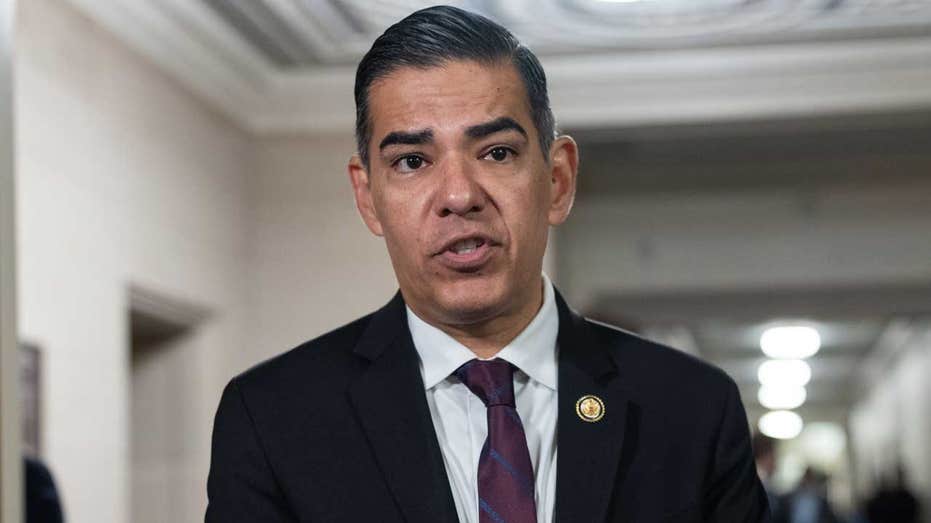
White House Counsel William Scharf told Rep. Robert Garcia that abusive congressional subpoenas could cross into criminality, and Garcia replied that Congress's power comes from the Constitution.
The full story
Here is the full story. The White House has put incoming House Democrats on notice that it may treat some of their planned investigations as more than a political fight. In a letter dated November 9, White House Counsel William Scharf wrote to Rep. Robert Garcia of California, the ranking member of the House Committee on Oversight and Government Reform, warning about the "foundational limits that the Constitution imposes on congressional investigations and subpoenas." Garcia is set to chair that committee next year, after Democrats won the House majority in the 2026 midterms.
Scharf's letter went well beyond a reminder about the rules. He wrote that the White House was monitoring what he called abusive and capricious threats from Democratic lawmakers, and said that Garcia and his colleagues had promised to use subpoenas to harass and deter administration officials from serving. Compulsory process, he wrote, belongs to Congress only for oversight. He warned that threats aimed at driving officials out of public service, or process meant only to instill fear, "may cross the line into blatant criminality," and that issuing unlawful subpoenas to deprive citizens of their rights "may warrant further investigation."
The letter came about a week after Democrats, fresh from the midterm results, posted statements and social media messages calling for subpoenas and impeachment proceedings against Trump administration officials. Some observers noted at the time that Republicans had used similar language when calling for investigations of Democratic officials. A commentary in TheBlaze collected several of those Democratic remarks. Garcia was quoted saying that anyone "involved in any way with the Trumps" and part of an American business would have to respond to Congress. Rep. Alexandria Ocasio-Cortez said investigations into the heads of every agency should open on day one. Rep. Analilia Mejia said Democrats would "toss out subpoenas like Mardi Gras beads," and Sen. Ed Markey said new forests would be needed for all the subpoenas Democrats would print. The commentary argued that such statements show a plan to punish opponents rather than legislate, which it said the Supreme Court ruled out in its 1957 Watkins v. United States decision. The trees, at least, have not yet commented.
Garcia pushed back hard. He said Congress has "wide latitude" to investigate as part of its power to legislate, and that voters had backed Democrats to root out corruption and abuse. He accused the administration of weaponizing the government with threats of unconstitutional attacks on Congress, and said lawmakers in a co-equal branch would not be deterred by threats from the Justice Department or the president's lawyers. He also suggested the president has "something to hide."
Legal experts across the political spectrum largely agreed that the White House is on firm ground when it challenges particular subpoenas, and on much shakier ground when it hints at prosecution. Ilya Shapiro of the Manhattan Institute said the administration can assert privileges, negotiate and fight subpoenas in court, but that criminal cases are "a very different animal" with a higher bar. He also said Democrats promising indiscriminate subpoenas are inviting challenges, since committees must stay within their jurisdiction and tie inquiries to a legitimate legislative purpose. Congressional investigations are also protected by the Constitution's speech or debate clause when they fall within legitimate legislative work.
Hans von Spakovsky of Advancing American Freedom said Scharf correctly cited Watkins, but added he was not sure which criminal statutes could apply, since the harassment laws he named require physical threats. Will Chamberlain of the Article III Project said no statute makes oversight a crime and the letter does not claim one does; in his view, official investigative work would not be prosecutable, but a separate conspiracy to intimidate federal officers, shown through threats or press releases, could be. Molly Nixon of the Cato Institute said the legislative purpose limits are less clear than Scharf asserts and that the letter is not on solid ground when it suggests criminality. Devon Ombres of the Center for American Progress said he could not imagine a criminal statute that would apply, though he expects the White House and Justice Department to "throw everything, including the kitchen sink" at the subpoenas in court.
Reported by
Get this email every day
Like getting the news with a smile? Sign up below and we'll send you a fresh edition every day.
Other news / Full articles
 Jensen Huang resigns as Nvidia CEO amid scrutiny over alleged Chinese spy affair
 Nationwide ground stop traced to wiring upgrade as Duffy seeks $50 billion for air traffic control
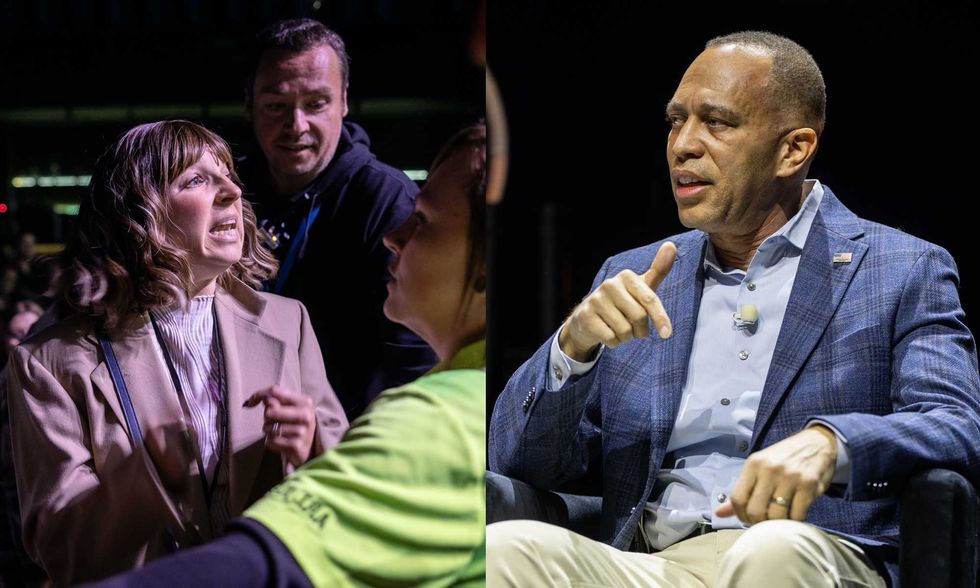 Hecklers interrupt Hakeem Jeffries at Democrats' What's Next conference in Denver
 Stephen Miller memo requires counsel approval for White House staff meetings with lobbyists
 Chris Van Hollen challenges Chuck Schumer to lead the new Senate Democratic majority
 Son of former CIA Director John Brennan arrested on federal child pornography charge