Mamdani disbands NYPD Strategic Response Group and shifts protest response to new teams
New York City Mayor Zohran Mamdani has disbanded the NYPD's Strategic Response Group, splitting its counterterrorism and protest duties and drawing sharp criticism from police unions.
The full story
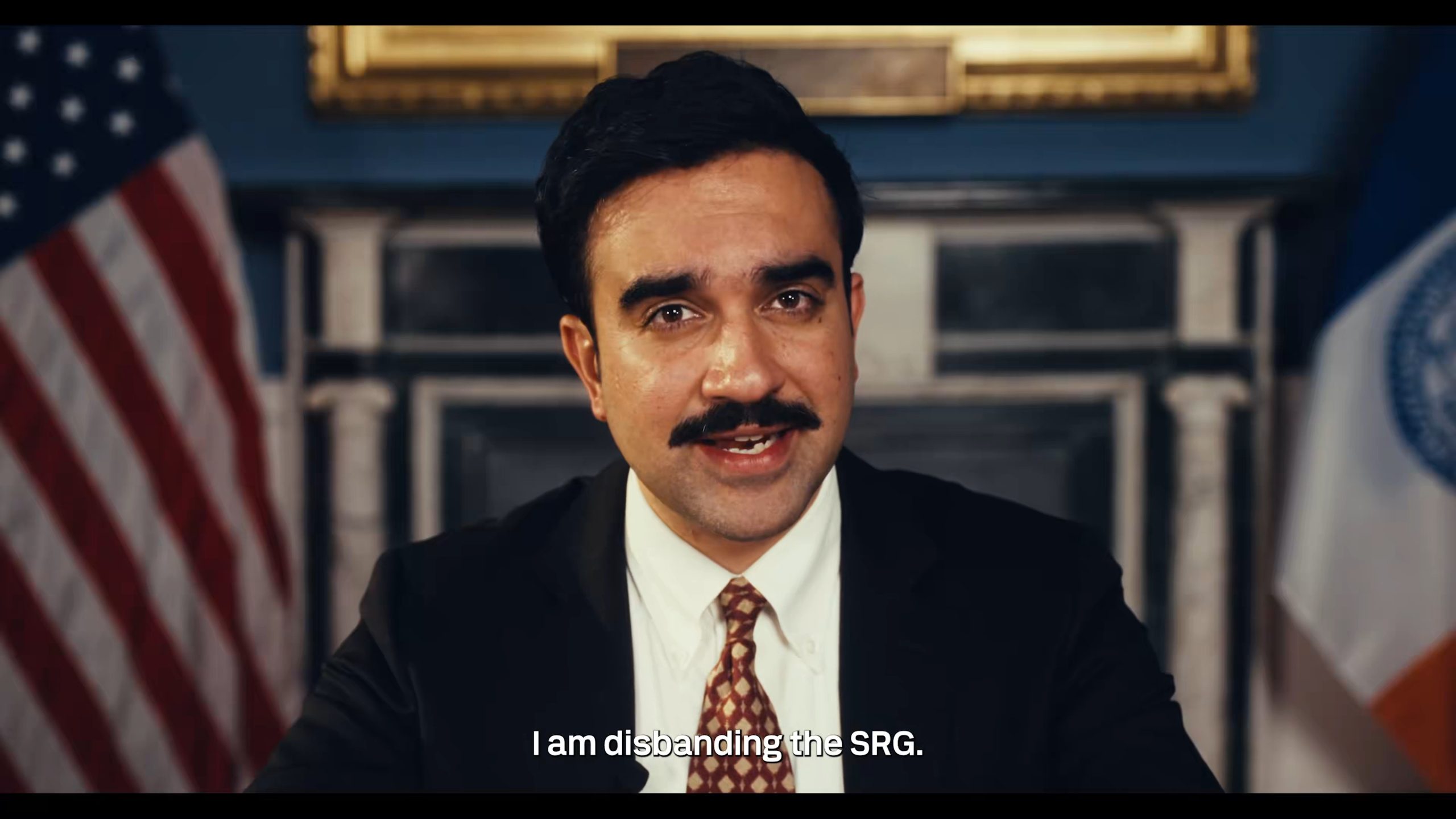
Here is the full story. New York City Mayor Zohran Mamdani on Monday disbanded the New York Police Department's Strategic Response Group, the unit that had been responsible for both counterterrorism and responding to protests. He made the announcement in a video posted to social media alongside City Council member Chi Ossé, who had led legislation calling for the changes. The video drew 11 million views on X within six hours, which is a lot of eyeballs for a police reorganization chart.
"SRG was tasked with both counterterrorism enforcement and protest response," Mamdani said in the video. "Those are not the same, and they should be separated." Under a joint statement from the mayor and Police Commissioner Jessica Tisch, the unit's counterterrorism duties will be folded into the NYPD's Intelligence and Counterterrorism Bureau. Protests, which the statement calls "First Amendment activities," will be handled by a new Community Dialogue and De-escalation Division inside the Mayor's Office of Community Safety. It will be staffed by non-uniformed civilians, and the statement says it "will not have weapons or arrest powers." Working alongside it is a new First Amendment Support Team, made up of 30 uniformed officers trained in communication and de-escalation. The NYPD is also creating a Patrol Support Division within its Patrol Services Bureau, whose vetted officers will mostly do patrol work but receive specialized crowd management training to help at demonstrations. Mamdani said in the video that trained officers can still be called in to make arrests, including of people engaging in civil disobedience.
The overhaul also changes what police can use at protests. Kettling, the tactic of hemming protesters into a confined area, is banned, as are tear gas, pepper spray and long guns as crowd control tools during First Amendment activities. Officers are also barred from using bicycles as weapons except when needed to prevent death or physical injury. "We are building a new approach to public safety—one where all communities can trust that their safety and fundamental freedoms will be protected," Mamdani said.
The move fulfills a campaign promise. After the unit responded to a Teamsters strike in December 2024, Mamdani wrote on X that as mayor he would disband it, saying it had cost taxpayers millions in lawsuit settlements and had "brutalized countless New Yorkers exercising their first amendment rights." In October, he ordered the NYPD's first full review of its use-of-force policies since 2016. The announcement also followed a convention of the New York City chapter of the Democratic Socialists of America, where members passed a resolution urging the mayor to disband the unit. The chapter called Monday's decision "a historic step toward a different approach to public safety." The unit had served as the department's main rapid-response force during the 2020 unrest, was called to clear campus encampments during the 2024 and 2025 protests, and was also sent to precincts with spikes in shootings and to active emergencies.
Police unions condemned the decision. Patrick Hendry, president of the Police Benevolent Association, said, "Today is not a good day for New Yorkers who just want a safe and orderly city," and argued the mayor was willing to put public and officer safety at risk to please his base. Scott Munro, president of the Detectives' Endowment Association, called the unit "vital" and said detectives would now be pulled away from investigating crimes to help police the city's hundreds of protests. He pointed to the 2024 Columbia University protests, saying the operation that cleared a building and made more than 100 arrests would no longer be available. Vincent Vallelong of the Sergeants Benevolent Association said he feared the approach would embolden violent agitators, and the Nassau County Police Benevolent Association said the decision "sides with rioters and protesters." Representative Nicole Malliotakis and City Council member Inna Vernikov also criticized the mayor.
Tisch, for her part, stood behind the plan. "I would never support changes that diminish the NYPD's ability to protect New Yorkers, or that put our officers in a position where they lack the resources necessary to confront a serious threat," she said in the joint statement, adding that the changes would make the department stronger and more effective. In a television interview, she said New Yorkers could expect the "same response that they are accustomed to" and that she would never compromise on security.
Reported by
- Washington Free Beacon: Mayor Mamdani ‘Sides With Rioters,’ Disbands Strategic Police Unit
- Fox News: Police groups condemn Mamdani over axing elite NYPD unit
- TheBlaze: Mamdani disbands counter-terrorism and riot response unit
- Daily Caller: Mamdani Scraps NYPD Protest Unit, Here’s How Similar Moves Fueled BLM And Antifa Takeovers In Other Blue Cities
Get this email every day
Like getting the day's news with a little smile? Sign up below and we'll send it to your inbox every day.
Other news / Full articles
 Trump blames aging equipment for FAA's nationwide ground stop and presses Congress for money
 New Jersey governor criticizes Rutgers Republicans for inviting Greg Bovino to speak
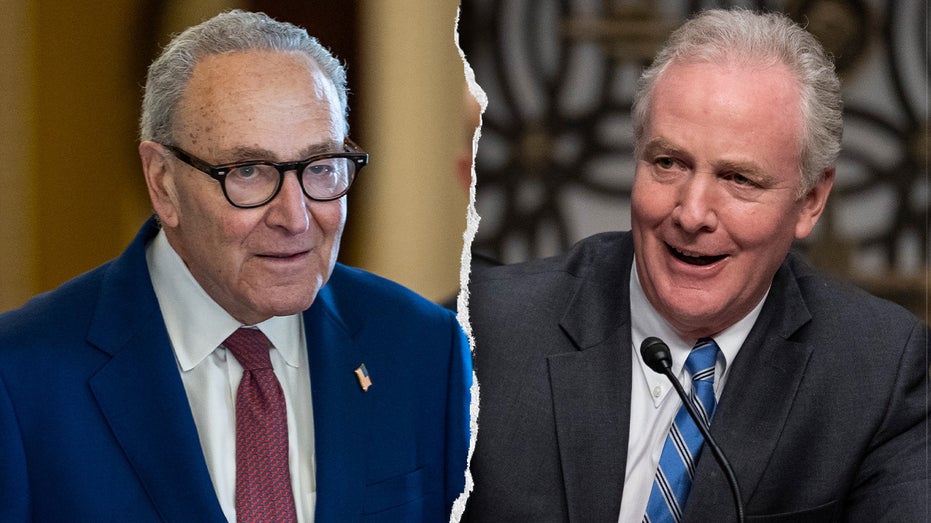 Chris Van Hollen challenges Chuck Schumer for the top Senate Democratic job
 Jensen Huang's exit from Nvidia stirs China chip and spy questions in Washington
 Router failure triggers nationwide FAA ground stop as officials press Congress for funding
 Van Hollen makes his case to replace Schumer as Senate Democratic leader