Lawmakers raise cybersecurity alarm after 10-day wave of US tech outages
After outages hit email, flights, banks and even the NSA, lawmakers from both parties are pressing for answers, while the Trump administration says the incidents were unrelated.
The full story
Here is the full story. For about 10 days, a string of tech outages has rattled major American industries, and lawmakers in Washington are now warning that the country's interconnected systems may be more vulnerable than people assume. The disruptions have knocked out email, grounded flights and hit major banks, and the National Security Agency has also experienced outages. The open question is whether these were separate technical failures that happened to land close together, or signs of a wider cybersecurity threat.
The Trump administration's answer is that the incidents were unrelated and that no malicious actors were behind them. Director of National Intelligence Jay Clayton testified that the recent service outages were not state-sponsored attacks. Officials have also pointed to a newer pressure on computer systems: as artificial intelligence gets better at finding security holes, companies are racing to patch them, and that work is putting systems under extra strain. Fixing the roof while it is being inspected by a very fast robot, it seems, is not a relaxing job.
Speculation has kept growing anyway, especially after Trump fired National Cyber Director Sean Cairncross on Thursday. The stated reason was concern that Cairncross lacked the proper cybersecurity credentials for the role.
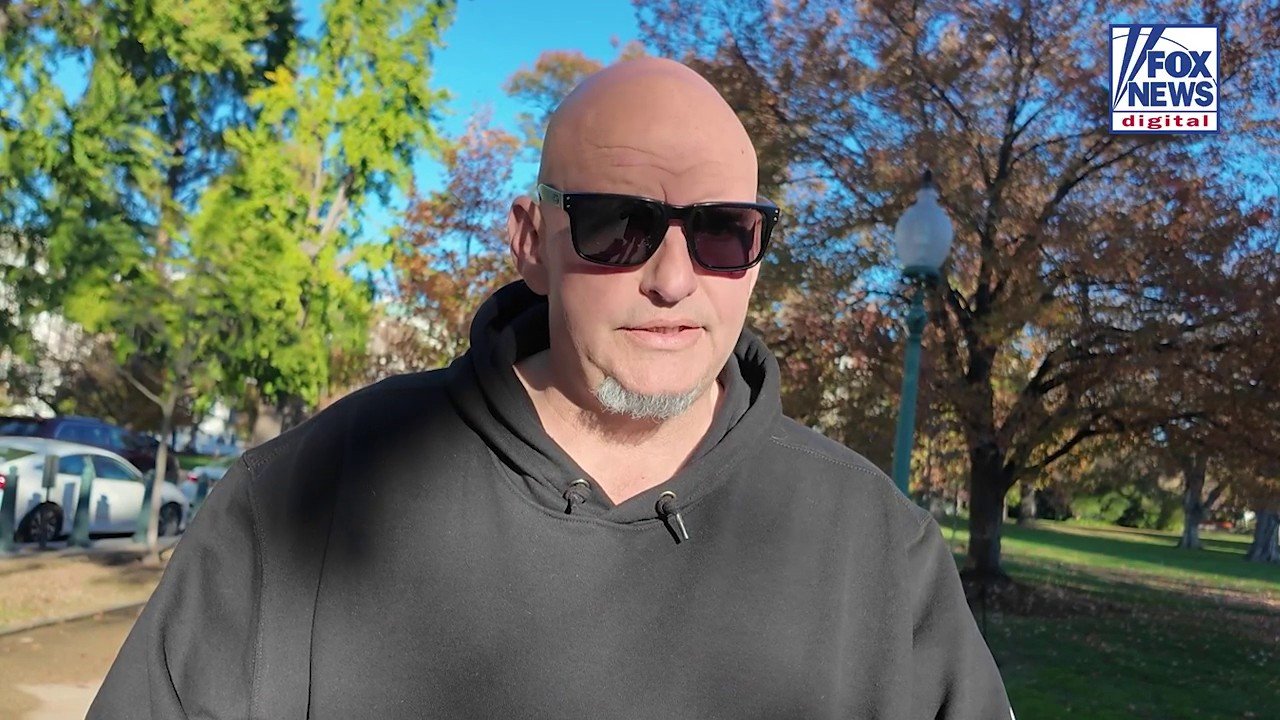
Some lawmakers made clear they are not satisfied with the official explanation. Rep. Keith Self, a Texas Republican, drew on his past work in the intelligence world and at the Pentagon. "This is not normal," he said, urging people to "ask the questions." He went further, saying he did not believe the public statements and that he thought something was happening behind the scenes, asking whether an offensive cyberattack might be under way that the public would not hear about. Sen. John Fetterman, a Pennsylvania Democrat, said nobody really knows whether the outages are connected or random, blamed what he called a lot of misinformation, and said the politics needed to be stripped out to find out what is really going on. He urged that work on cyber threats and on making US systems less vulnerable stay bipartisan.
Others took a calmer view of the outages themselves while still stressing the bigger risk. Pete Ricketts, a Nebraska Republican, said the systems are complex and, speaking from his experience running a company with technology, that such failures are "not unusual." Sen. Jon Ossoff, a Georgia Democrat, said cybersecurity is a serious issue and that threats are becoming more serious. Sen. John Hoeven, a North Dakota Republican, said everything is interconnected now, so security work has to be constant in both government and business, and that people are right to be concerned given the number of incidents around the country.
The debate has spilled well beyond Capitol Hill. Co-host Sunny Hostin said the government was saying the outages were not connected, but that industry experts she looked into were saying it was not a coincidence. Joy Behar agreed, saying, "We are being gaslighted." BlazeTV host Sara Gonzales criticized the hosts' comments sharply. Meanwhile, a proposal for a $1 million-a-day crackdown on Chinese tech has been put forward amid the disruptions, and lawmakers across party lines are calling for more attention to protecting everything from power grids and water systems to banking and aviation.
Reported by
Get this email every day
Want the day's news with a smile in your inbox? Sign up below to get this email every day.
Other news / Full articles
 Trump says Vance's midterm analysis was accurate but he would wage Iran war again
 Trump threatens 'tremendous tax' on U.S. companies building data centers abroad
 Trump posthumously pardons baseball hit king Pete Rose
 Anthropic makes record-setting Nasdaq debut as shares jump above offering price
 House Democrats nominate Hakeem Jeffries for Speaker in lopsided caucus vote
 National Cyber Director Sean Cairncross out after a week of tech outages