October data: inflation gauge rises to 3.8% as inflation-adjusted spending dips
The Fed's preferred price index rose 3.8% from a year earlier in October, while consumers spent more in dollars but bought slightly less after inflation.
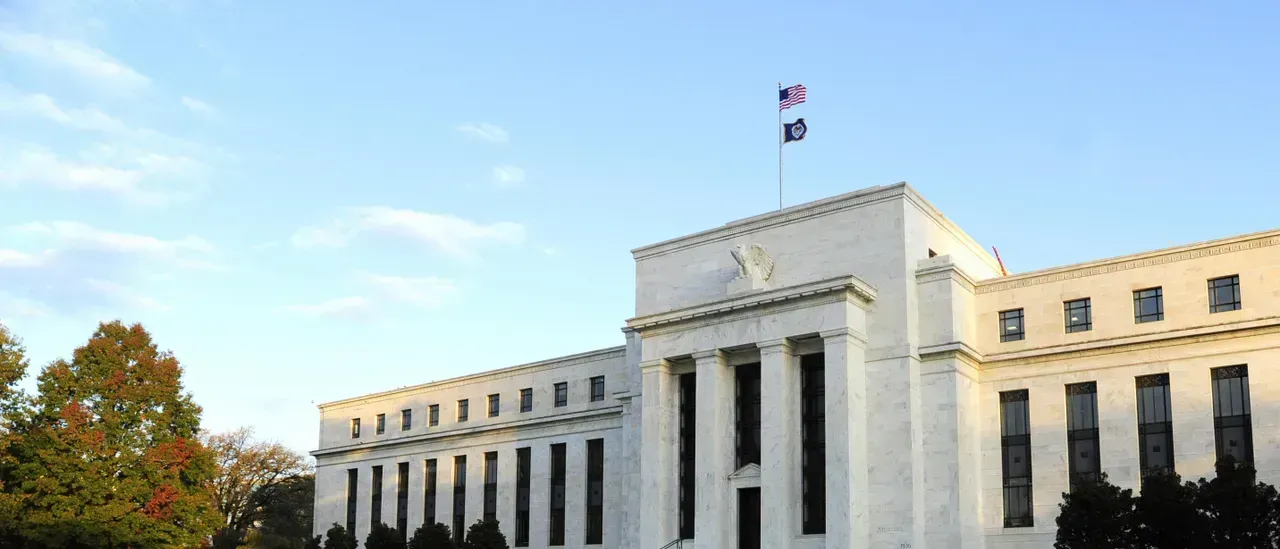
The full story
Here is the full story. Inflation measured by the Federal Reserve's preferred gauge rose to 3.8% in October from a year earlier, government data released Wednesday showed. Americans spent more money during the month, but once rising prices are taken into account, they bought slightly less.
The personal consumption expenditures (PCE) price index rose 0.3% from September to October, a slower pace than September's 0.5%. Gasoline prices rose 0.8% after surging 9.2% in September, and food prices rose 0.4%. On a yearly basis, the index climbed to 3.8%. The annual figure went up because October's monthly increase replaced a smaller one from a year earlier. Both the overall and core monthly readings matched economists' forecasts, which at least spared forecasters any awkward explanations.
Core inflation, which strips out food and energy, rose 0.3% for a third straight month, a pace that works out to roughly 3.7% a year. Annual core inflation rose to 3.3% from 3.1%. Oil and gasoline had driven earlier jumps in headline inflation, but price pressure now shows up beyond energy. Core prices remain hot, though they show no signs of speeding up. The Fed uses the overall PCE index to measure progress toward its long-term target of 2%.
Consumer spending rose 0.3% in dollar terms but fell by less than 0.1% after adjusting for inflation. Services made up about four-fifths of the increase in spending before inflation adjustment. Americans spent more on housing and utilities, health care and recreation services, while spending on motor vehicles and parts fell. Household finances improved. Personal income rose 0.7%, and income after taxes and inflation rose 0.5% after falling 0.2% in September. The personal saving rate rose to 4.1% from 3.6%. So wallets got a bit thicker even as shopping carts got a bit lighter.
The October numbers mark a turn from the summer, when consumers helped power the economy. In a separate report Wednesday, the Bureau of Economic Analysis raised its estimate of third-quarter growth to a 4.3% annual rate from its initial 3.4%, after revising estimates of investment and consumer spending upward. The economy grew at a 2.2% annual rate in the second quarter.
The data arrive as the Fed weighs raising interest rates. In October, it held its benchmark rate at 3.75% to 4%, with two officials voting for a quarter-point increase. Minutes released last week showed nearly all officials thought rates would likely have to rise in the coming months to bring inflation back to 2%, and two said they could consider a larger increase in December if incoming inflation figures were unfavorable. Interest-rate futures pointed to a quarter-point increase at the Fed's December 8–9 meeting.
Reported by
Get this email every day
Want the day's news delivered with a smile? Sign up below to get this email every morning.
Other news / Full articles
 Republicans debate whether Trump should sign an immigration deal before Democrats take Congress
 Justice Department pulls civil lawyers into fight over migrant detention petitions
 Kilmar Abrego Garcia leaves the US for Spain under a removal order
 Justice Department reports $8 billion recovered in largest anti-scam enforcement surge
 CIA and intelligence office report breach of unclassified open-source network
 Kilmar Abrego Garcia leaves the U.S. for Spain under sealed court deal