
Commentary
Pierre Manent and the threat of humanitarianism
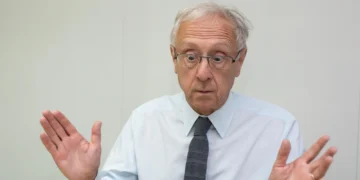
Manent’s writings can serve as a much-needed spur to recovering an authentic Catholic self-understanding that appreciates humanitarianism as a rival and implacably hostile secular religion all its own. The post Pierre Manent and the…
Remembering the French Counterrevolution
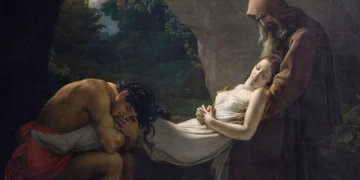
The French Revolution promised a world made new. The Catholic counterrevolutionaries of the Vendée fought for a world that believed in transcendence, a world worth handing down. Between these competing visions, our civilization still trembles.…
Pilgrimages are also made for walking
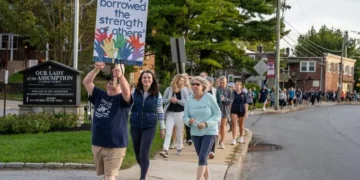
A powerful component of pilgrimage can be traveling with others. The post Pilgrimages are also made for walking appeared first on The Catholic Thing. Source link
The return of strong Christian men
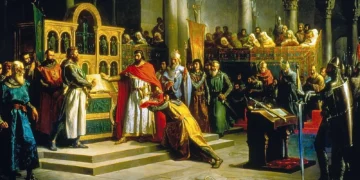
Modern churches have become overly passive and feminized; men must reclaim a Christ-shaped strength, public engagement, and traditional masculinity to renew both the church and civilization. The post The return of strong Christian…
Gaudí and the miracle of La Sagrada Família
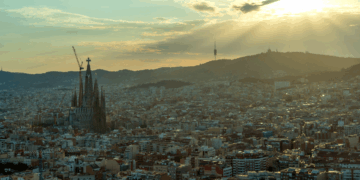
On the centenary of his death, Antoni Gaudí’s masterpiece, La Sagrada Família, has become the tallest church on earth, honoring the brilliant yet tragic Catalan architect who dedictated his life, deep faith, and singular imagination to its…
Gaudí and the miracle of La Sagrada Família
On the centenary of his death, Antoni Gaudí’s masterpiece, La Sagrada Família, has become the tallest church on earth, honoring the brilliant yet tragic Catalan architect who dedictated his life, deep faith, and singular imagination to its…
The moment Spain realized Leo XIV is still Catholic
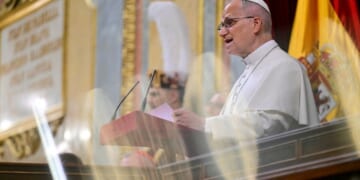
Pope Leo XIV’s address to the Spanish Parliament on Monday offered a reminder of something that parts of the public debate often forget: a pope is still a pope. What they heard was a Catholic speech. The post The moment Spain…
How to make holiness a habit
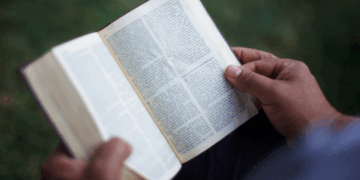
As the fervor of Easter and Pentecost begins to fade, Ordinary Time offers an opportunity to deepen our commitment to God through the sacraments, prayer, spiritual reading and community. The post How to make holiness a habit…
The forgotten foundations of Constitutional law
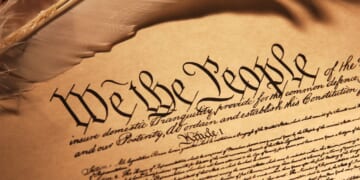
Long before the separation of powers and judicial review were given written form, Greek philosophy, Roman law, Christian theology, and the medieval doctrine of paired jurisdictions laid the deeper architecture of constitutional government.…
Beware the Benedict bot – The Catholic Thing
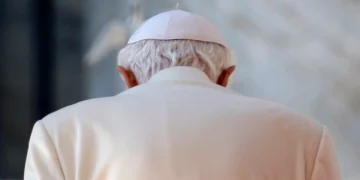
The words of a dead man / Are modified in the guts of the living.” Neither W. H. Auden, who wrote these lines in 1939, nor W. B. Yeats, whom they concern, knew that their words would one day end up in the matrices and vector fields that…