The Ohio House of Representatives advanced two pro-life measures on Wednesday aimed at curbing chemical abortions and educating students on fetal development.
The pro-life bills are drawing praise from advocates who hailed the votes as a victory for mothers and unborn children.
House Bill 324, dubbed the Patient Protection Act, cleared the chamber 59-28. The legislation would classify the abortion drug mifepristone as a “dangerous drug” due to its severe side effects in more than 5% of patients. It prohibits mail-order sales and remote prescribing, requiring women to visit a doctor in person for informed consent about the risks.
Click here to sign up for pro-life news alerts from LifeNews.com
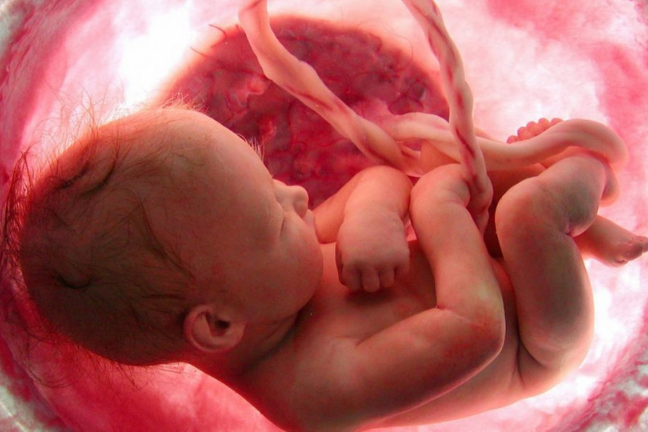
Companion bill House Bill 485, the Baby Olivia Act, passed 58-26. The measure mandates human growth and development instruction in public school health classes, incorporating an ultrasound video and the 3-minute animated film “Meet Baby Olivia,” which depicts prenatal development from fertilization to birth.
Ohio Right to Life, which backed both bills, celebrated the bipartisan support as a step toward safeguarding vulnerable lives.
“The bills that passed today are common sense, broadly supported ideas,” said Carrie Snyder, executive director of the organization. “Showing students how a baby grows in the womb isn’t and shouldn’t be controversial. It’s simply science. Protecting patients from drugs that do a tremendous amount of harm to both mother and obviously the unborn baby, by just returning to the standard originally set by the FDA requiring oversight and follow up with a doctor, is beyond reasonable.”
Snyder added, “We are very thankful that Ohio’s representatives in the House acted with the interests of Ohio’s mothers and children in mind today. We look forward to working with the Senate to pass these bills in 2026.”
The House action comes amid a recent decline in abortions across the state, a trend pro-life groups attribute to heightened protections for the unborn, education and pro-life pregnancy centers. State data for 2024 reported 21,829 abortions, down from 22,000 the previous year.
Though higher than the 18,488 recorded in 2022, the dip reflects ongoing efforts to save pre-born children, even as Ohio maintains some of the nation’s more permissive abortion laws.
“Given that Ohio has some of the most liberal abortion laws in the country and we have radical judges pushing this agenda, these numbers are encouraging,” Snyder said of the 2024 figures.
“We aren’t satisfied with the loss of any innocent pre-born child, and our efforts to protect them will continue.”The data also highlighted stark disparities, with Black women comprising 42% of abortions despite making up just 13.4% of Ohio’s population.
Additionally, 41% of abortions occurred after a fetal heartbeat was detected, and only 97 — or 0.4% — were performed to save the mother’s life, while 186 resulted in maternal complications.
Out-of-state abortions rose for the third consecutive year, exceeding 3,000 in 2024, prompting calls for tighter restrictions on public funding.
“This is another reason why we have called on Governor DeWine to sign an executive order prohibiting any Medicaid funds from going to abortion providers,” Snyder urged.
“Taxpayer dollars should not be used to support the practice of abortion in any way, and even more so on people not from the Buckeye State.”Pro-life advocates view the House bills as complementary tools to build on the momentum, emphasizing education and medical oversight to further reduce abortion rates and promote alternatives for women facing unplanned pregnancies. The measures now head to the Ohio Senate for consideration in the upcoming session.



![Hegseth Demands Fitness Requirements, Says 'Fat Troops' 'Not Who We Are' [WATCH]](https://teamredvictory.com/wp-content/uploads/2025/09/Hegseth-Demands-Fitness-Requirements-Says-Fat-Troops-Not-Who-We-350x250.jpg)