Let’s begin with a pointed question: Are we, almost all, today, Sadducees? If your knowledge of the groups who appear in the New Testament is hazy, we might put it thus: Do almost all of us now, even Christians who claim otherwise, like the Sadducees in Jesus’ day, basically discount eternal life and think physical death the absolute end, and worst of evils? If so, a war may do us a service because it reveals, in its dreadful and severe way, the state of our souls.
War is hell. But does Hell – a place of eternal war – or Heaven – the place of the only true and lasting peace – play any real role in our minds and hearts during a time like this? It may seem heartless to ask the question in the face of so much immediate suffering, but it’s precisely because of those human ills that the deeper questions come to the fore.
As C.S. Lewis put it in a similar time: “The war creates no absolutely new situation: it simply aggravates the permanent human situation so that we can no longer ignore it.”
No one should want war except as an absolute necessity for the gravest reasons. Totalitarians love war because they often think it’s a remedy for the flabbiness that overtakes people when things are good. Mussolini said that the modern Italians needed a “bloodbath” to recover their ancient discipline and virtue. And he tried giving them one. We know how that, like other programs of renewal through war, turned out.
Peace and prosperity are goods in themselves, but they’re not always good for us. Europe’s dependence on the United States for its security since World War II, for instance, made it into a continent that finds it difficult to find the will or allocate the resources to defend itself. Many Europeans – and sadly not a few Americans now – even doubt whether it’s worth defending our civilization.
A Christian shouldn’t be surprised. “In his riches, man lacks wisdom: he is like the beasts that are destroyed.” (Psalm 49:20) It doesn’t have to be this way. We may be wise even in prosperity. But reason and revelation alike warn of dangers.
Just now, we’re rightly preoccupied not only about the justice of the Iran war, but also about its possible spread – along with terrorism. And we try to imagine what a “successful” end might be. We can’t help but doubt what we’re told by politicians and the media. But in all this, do we lose sight of the truth that neither war nor peace is the last word for us?
Our Christian forbears didn’t need to ask this basic question because, until quite recently, bodily death was not considered the worst thing. Some things are worth dying for. Most people knew anyway from daily experience that our years on earth are sharply limited, war or not. And that the next life is, for good or ill, forever.
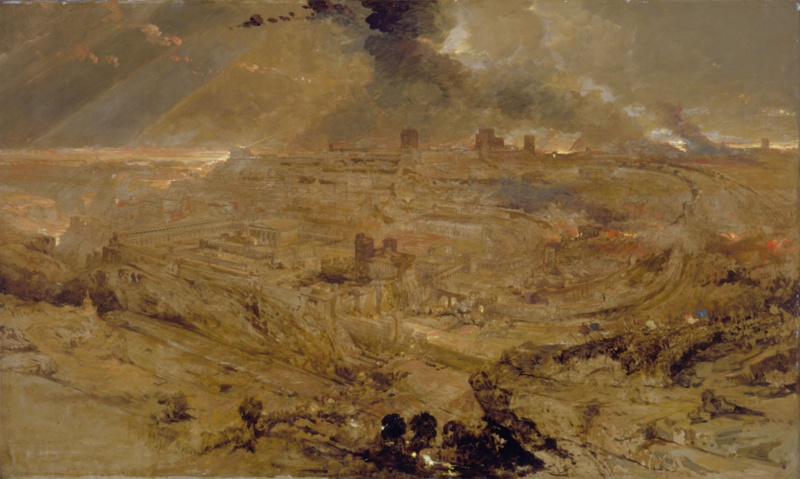
The traditional classification of sins and virtues reflected this. We cite Dante a lot on this page because. . .one just should, for many reasons. Besides the sheer imaginative beauty of his Divine Comedy, he makes it easy to see crucial distinctions, Christian distinctions, about the state of the soul, both in this life and the next.
For instance, sins of violence and murder are, of course, punished in Inferno, but only about midway down into Hell. There are good reasons in the Christian tradition for this. In the proper Christian understanding, we are a composite of body and soul. Murder or indiscriminate slaughter in war are, to be sure, horrible. But a Certain Authoritative Person made a point of saying (twice): “Do not fear those who kill the body but cannot kill the soul. Rather fear him who can destroy both soul and body in Hell.” (Matthew 10:28, Luke 12:4-5)
We rarely hear this these days, even from the highest authorities in the Church. Which is why both just war and capital punishment now appear “inadmissible” to some Church authorities. If you believe in eternal life and the greater importance of the soul than physical life, however, there are still plenty of worse things than the bodily death, which comes to us all, even without war.
There are graver sins: against mind, soul, and spirit – the higher elements unique to human nature. These may be attacked in many ways, which Dante places still lower down in Hell than violence and even murder: flattery and seduction, simony and schism, fortune-telling, fraud, false counsel, counterfeiting. And worst of all, treason against the soul’s proper loyalties to family, country, guests, superiors, God Himself (Lucifer’s specialty).
If you find this shocking, perhaps it’s because we’ve been so fortunate in a worldly way that we assume peace and security are the normal conditions on earth, war and uncertainty rare exceptions.
Again, that Authoritative Person says:
You will hear of wars and rumors of wars, but see to it that you are not alarmed. Such things must happen, but the end is still to come. Nation will rise against nation, and kingdom against kingdom. There will be famines and earthquakes in various places. All these are the beginning of birth pains.
Then you will be handed over to be persecuted and put to death, and you will be hated by all nations because of me. . . .many will turn away from the faith and will betray and hate each other, and many false prophets will appear and deceive many people. Because of the increase of wickedness, the love of most will grow cold. (Matthew 24:6-13)
None of this, of course, should make us complacent about violence, let alone war. But it should sober us about unreal beliefs such as that “dialogue” or politics are remedies for the human condition in a fallen world. And lead to an examination of conscience as to whether we are among the many who have been deceived and grown cold, or those who, despite everything, still love what really saves.


![Hegseth Demands Fitness Requirements, Says 'Fat Troops' 'Not Who We Are' [WATCH]](https://teamredvictory.com/wp-content/uploads/2025/09/Hegseth-Demands-Fitness-Requirements-Says-Fat-Troops-Not-Who-We-350x250.jpg)