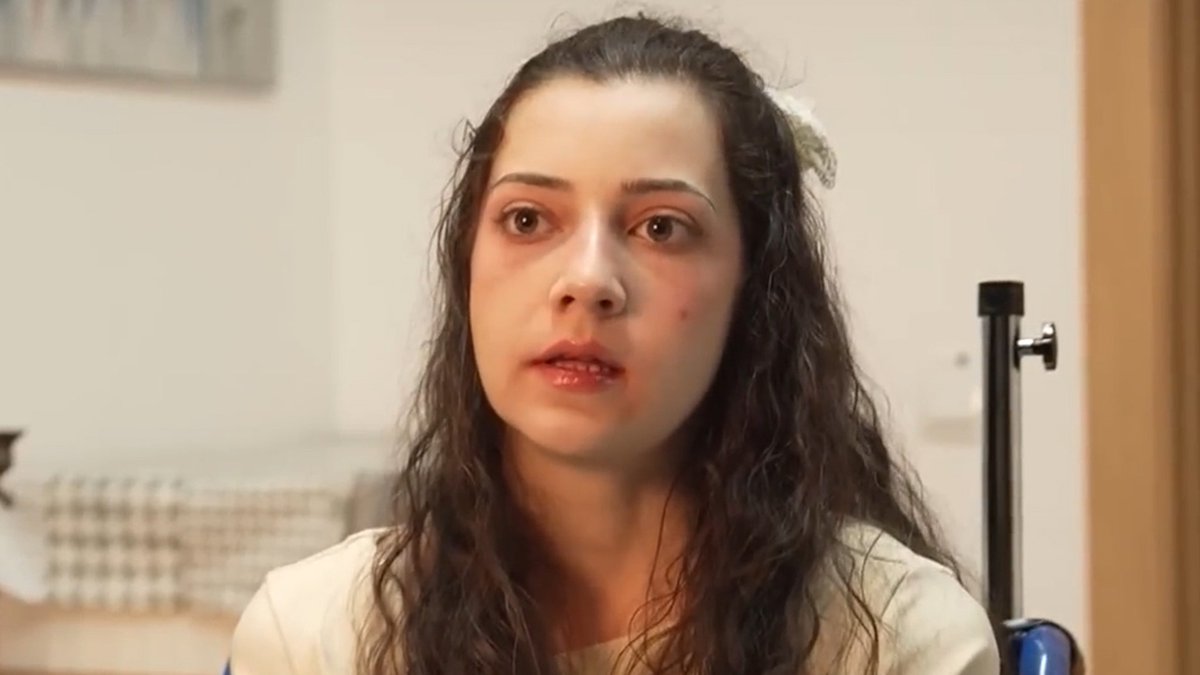
Noelia Castillo Ramos, a 25-year-old Spanish woman left paraplegic after a suicide attempt triggered by repeated sexual assaults, was euthanized Thursday evening despite fervent objections from her father and friends who pleaded for more time and support.
The care facility where Ramos lived confirmed her death by euthanasia.
Her father had mounted a legal challenge to halt the procedure but saw his efforts fail in court last month. The European Court of Human Rights also declined to intervene with a delay.
Ramos endured profound trauma after being raped on two occasions — once by an ex-boyfriend and once in a gang rape in 2022 while she was in a state-run institution amid family difficulties. The assaults left her with severe mental health struggles.
Click here to sign up for pro-life news alerts from LifeNews.com
Months later, she jumped from a fifth-floor window in a suicide attempt, resulting in a severe spinal cord injury and permanent paraplegia that caused constant pain, total dependence, and emotional devastation.
Her father, who initiated the legal battle to prevent the euthanasia, expressed deep disappointment, with his attorney stating that the family believed the Spanish government had abandoned and failed their daughter by allowing her to die.
Pro-life advocates and Catholic groups decried the case as a tragic example of a vulnerable young woman failed first by a system that did not protect her from assault and then by one that offered death rather than comprehensive care and healing.
Ramos’ best friend made a desperate attempt to visit her at the hospital before the procedure but was turned away by staff.
“I wanted to see her to see if she changes her mind, and if not to say goodbye,” the friend said.
According to her attorney, Polonia Castellanos, authorities refused to delay the euthanasia because Ramos’ organs were already designated for donation – adding more systemic abuse and exploitation to the situation. Ramos had reportedly chosen not to have her parents present during the 15-minute procedure involving a combination of three drugs. Her mother had said a final goodbye earlier.
Spain legalized euthanasia in 2021 for individuals suffering from serious, chronic, and incurable conditions causing unbearable suffering. Ramos’ application was approved by a medical review board in Catalonia in 2024 after she sought the option for about a year and a half.
Critics from a pro-life perspective argue that her case underscores serious concerns about the euthanasia law’s application to young people grappling with trauma-induced mental health crises, physical disability, and inadequate societal support. Instead of investing in robust counseling, justice for her assailants, and long-term rehabilitation, the system ultimately facilitated her death, they contend — raising questions about whether true compassion was extended to a woman whose life had already been marked by profound violation and loss.
The procedure has reignited national debate in Spain over the boundaries of euthanasia, particularly for patients whose suffering stems from violent crime and subsequent despair rather than terminal illness alone.
Ramos, at 25, is among the youngest individuals to undergo the procedure since the law took effect.
Family members and supporters had hoped for continued efforts to address her pain and dependency, viewing euthanasia as a premature and irreversible abandonment of a young life that could have found paths to healing with greater intervention.