I recently discovered All Creatures Great and Small, a 1930s-set British comedy-drama chronicling a trio of veterinarians working in rural Yorkshire. In the latest episode that I watched, Great Britain declares war on Nazi Germany and the draft began. The characters, remembering only too well the horrors of World War I, automatically took up the old practices: advising younger men about enlisting arrangements and rationing food items.
That last really struck me. For the vets and their families, Mrs. Hall baked hot cross buns as she had twenty years earlier, using a less-than-ideal substitute for sugar, which was being rationed. The results: a knowing laugh over the poor-tasting treats to come.
The United States last practiced rationing during World War II. What would happen today if, for whatever grave reason, our political leaders asked us to ration? I think we all know. We, the citizens of the most prosperous nation the world has ever known, blessed with food and beverage in quantities and quality that the Greatest Generation could not have imagined eighty years ago, would break into open rebellion.
Sacrifice? That’s no longer a virtue. Personal fulfillment is the name of the contemporary game. And our incredible abundance of material goods, which has spoiled us rotten, exists to serve this end. We ask only what our country can do for us – surely, we don’t owe it anything.
But it’s not just our country we refuse these days. Collectively, as Catholics, we largely do not sacrifice for God either. Our Church-imposed Lenten fasting has been whittled down to the barest minimum of two days; self-imposed fasts – the thing we “give up” – typically are from a single luxury item. We also are not much inclined to put a decent offering into the parish basket each week, and many outright refuse to give to diocesan appeals. Care for the poor, help for the sick, healthcare for retired priests and religious, training for seminarians? No thanks, we tell ourselves – we know better where to direct our money.
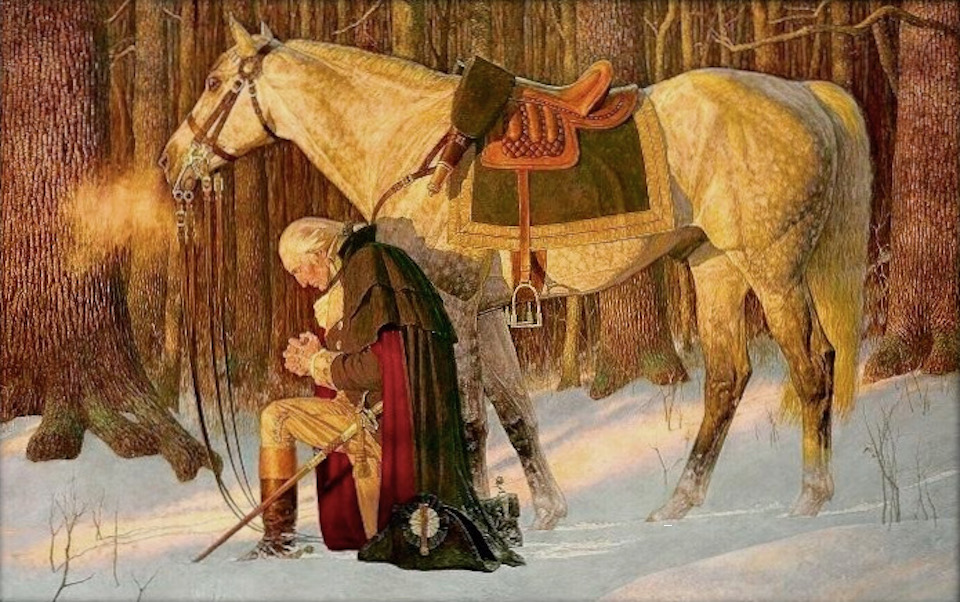
“For God and Country” was once a proud motto for Americans. We can find the phrase, sometimes in English and sometimes in Latin, inscribed into the cornerstone of churches and even public buildings. Its ubiquity implies widespread acceptance of the need to sacrifice for these two great entities that are bigger than we are. We should serve them – and most once believed that they were worth serving.

What’s striking today is not the widespread individualism that has long since replaced this service mentality. It’s that the leading institutions of God and Country – the Church and the State – have unwittingly contributed to our selfishness rather than call us out of to it.
Many Protestant denominations have forsaken the Ten Commandments for a “love is love” ersatz morality. In 1966, the American bishops ended the obligatory penance of Friday abstinence in favor of a penance of one’s choosing (an exhortation that almost no one knows about, but I digress).
Some Holy Days of Obligation have gradually been lifted or shifted. Most pastors blanch at the suggestion of requiring Mass attendance for children seeking the sacraments. There seems to be a persistent fear that if the faithful are asked to do too much, they won’t come back. So they are left to do largely as they please.
As religion’s influence has waned, the State has tried to fill the power vacuum. Now nearly every aspect of human life is subordinated to it. Having subsumed the roles of community and local governments, the State fans the flames of selfishness with laws that pit individuals over families and local institutions – as well as with programs, such as healthcare and entitlements, that are administered directly from the government to individuals. From 2001-2006, the U.S. Army tried to tap into the individualist mindset with its “An Army of One” recruiting campaign.
Can Americans rediscover a love of God and country along with a willingness to serve them above the self? Without a public Christian presence and with every aspect of public life torn by political partisanship, a near-term resurrection is highly unlikely.
What is needed, ironically, are individuals – millions of them – who find a motive greater than themselves and then step forward to make things happen in their communities and churches.
The reclusive woman whose new maternity emboldens her to join the PTA. The new father who ditches his videogames to coach his child’s teams. The wayward couple who begins attending church once children are born. The school children who do so much service work that they practice it as an ingrained habit throughout their lives. The pastor who is so on fire with the faith that he inspires and teaches his parishioners to love Jesus Christ more deeply.
The passion of each of these exemplars then, we pray, will inspire others to elevate God and country above themselves.
Multiple cultures in history have espoused a “For God and Country” way of life. A Christian culture, shaped by faith in Jesus Christ who gave His live in service of all, should be the model of this kind of living. “Greater love has no man than this, that a man lay down his life for his friends.” (John 15:13)
But the self and its unquenchable desires, as every sincere believer knows, will not be mastered without a fight. And fight we must. The degree that the self can learn to serve rather than to be served is a fitting measure of the health of our faith and our nation.