A Canadian woman was offered state assistance to end her own life after presenting to the emergency room with back pain, before she was offered any other treatment.
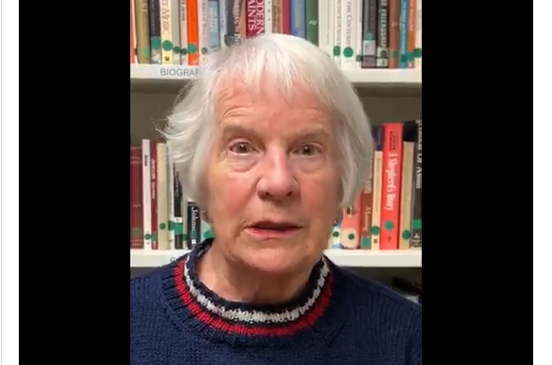
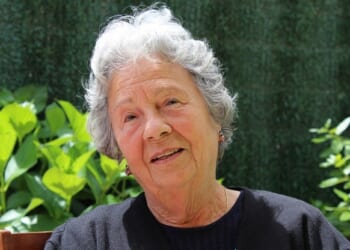
84-year-old Miriam Lancaster explained that, in April last year, she woke up one day in excruciating pain. Her daughter called for an ambulance, and Miriam was taken to Vancouver General Hospital.
Moments after Miriam was brought into the emergency ward, a doctor offered to aid her in ending her life under Canada’s euthanasia and assisted suicide regime, known as Medical Assistance in Dying (MAID).
REACH PRO-LIFE PEOPLE WORLDWIDE! Advertise with LifeNews to reach hundreds of thousands of pro-life readers every week. Contact us today.
“Moments after they wheeled me into the emergency ward, a young female doctor approached my bed”, Miriam said. “After running through the usual questions about what was hurting and how much, she said, as casually as one might offer a cup of tea: ‘Do you want MAID?’”
“I was stunned. No one had even told me what was wrong with me. All I knew was that I was in tremendous pain and that a stranger had just suggested I might want to end my life”, she said.
“I was taken aback. That was the last thing on my mind, I just wanted to find out why I was in pain — I did not want to die”, Miriam stated.
After Miriam had declined to consent to the ending of her life, she was then diagnosed with a fractured pelvis, in an area that cannot be operated on and which must be allowed to heal on its own. She was transferred to the University of British Columbia’s hospital, where she remained for three weeks while she recovered.
Almost immediately after leaving the hospital, Miriam packed her bags again to set off on an adventure holiday to Cuba.
“It’s funny to think that not so long ago, a doctor stood over my hospital bed and offered me a way out. It scares me to think what might have happened. In another version of events, perhaps I would have been alone, or more frightened, or more exhausted. Perhaps I would have paused to consider it”, she said.
Miriam lauded proposals in Alberta that would prevent doctors from raising euthanasia or assisted suicide with patients
When Miriam was told about a proposed Bill in Alberta, Canada, that would prohibit healthcare providers from initiating conversations with patients about assisted suicide or euthanasia, she said it was “great”.
“I hand it to the officials in Alberta for presenting this”, Miriam said. “This is a perfectly reasonable safeguard to avoid predatory doctors manipulating, consciously or unconsciously, patients when they’re vulnerable”.
“I do not think it should be offered to healthy people who have still got a zest for life and who haven’t mentioned it themselves. It’s completely inappropriate, and it’s distressing to the patient”, she added.
“But so many of my fellow Canadians are taking the decision into their own hands. They’re not all elderly. Young people are choosing euthanasia, too, and to them I would say the following: Think very, very carefully about what you’re giving up. When you’re feeling down, life can feel small, but the world is way bigger than you can imagine. The path that you’re currently walking on, which has brought you to this point, is not the right path. Seek a new path, and you might be surprised to find that there really is more to life than you thought”, Miriam said.
This case comes just a few months after the latest national report on euthanasia and assisted suicide in Canada revealed a record 16,499 people died by euthanasia in Canada in 2024, accounting for 5.1% of all deaths in the country.
Spokesperson for Right To Life UK, Catherine Robinson, said “It is shocking that Miriam Lancaster was offered to have her life ended by a medical professional whose job should be to help people, even before she had been told what was wrong with her”.
“As Miriam has said, it is incredibly distressing that medical professionals in Canada are allowed to raise assisted suicide and euthanasia unprompted with patients. This can subtly pressure individuals into feeling that ending their lives might be the right choice”.
“Vulnerable people should receive care and support from their medical professionals, not help to die”.
LifeNews Note: Republished with permission from Right to Life UK.