As a child of the 70s, the music of Neil Diamond is stitched into my memory in a way that feels sacred. Songs like “Cherry, Cherry,” “Forever in Blue Jeans,” and the unforgettable “Sweet Caroline” transport me back to a time of simplicity, joy, and cultural innocence — a time when wearing bell-bottoms and riding in my mom’s paneled station wagon, swaying to his music, was simply the norm.
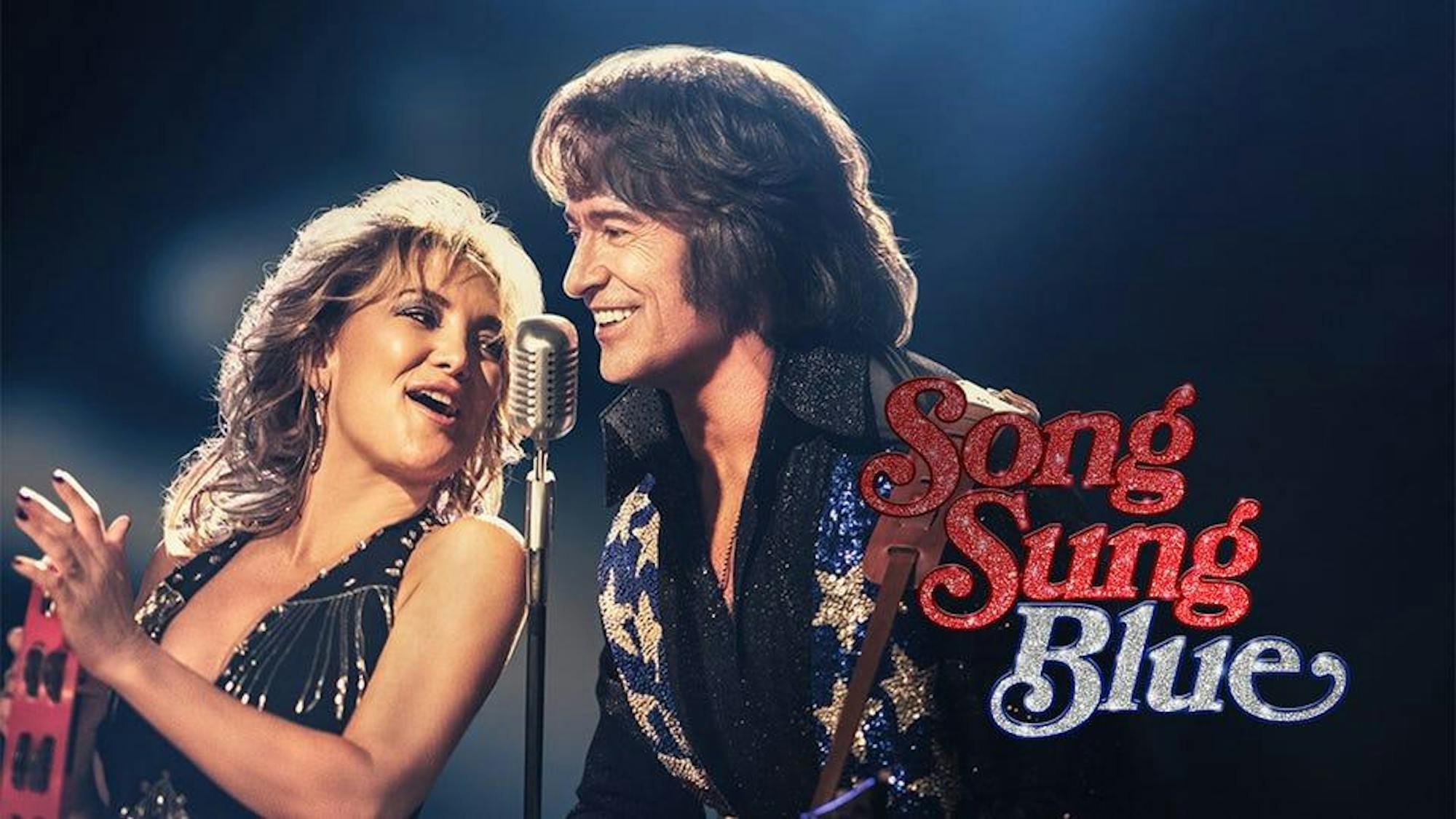
So I’ll admit I was surprised to have missed Song Sung Blue in theaters this past winter. Thankfully, I caught it recently on a flight, and the film has stayed with me ever since. It gripped my heart — not just because of the nostalgic music or the compelling love story, but because of something far deeper: the buried headline. This movie carries a message I was not expecting.
(If you haven’t seen the film yet, consider this your gentle spoiler alert.)
REACH PRO-LIFE PEOPLE WORLDWIDE! Advertise with LifeNews to reach hundreds of thousands of pro-life readers every week. Contact us today.
Most viewers, like me, likely go in expecting a typical PG-13 movie based on the true story of a couple who fell in love while building a Neil Diamond tribute band. And yes, the film honestly exposes the brokenness of its characters. But running quietly beneath the surface is the subliminal emotional hinge of the entire story.
After being at the top of her game, Claire — the lead character played by Kate Hudson — suffers a devastating accident, and her life begins to unravel. Pain leads to addiction. A fallen and fractured blended family (more the norm than the exception in America today) becomes even more chaotic. At the same time, it is revealed that her teenage daughter, Rachel, is carrying a four-month-old secret.
When the truth finally comes out, it unfolds in a way that is startling in today’s cultural landscape. In a conversation with her stepfather, played by Hugh Jackman, the expected narrative never arrives. There is no debate. No crisis language. No mention of “options” framed in the way modern audiences have come to expect. Instead, Rachel declares with quiet certainty that she is expecting a baby and choosing adoption. And then the story simply moves forward.
No speeches. No ideological framing. No moralizing. Simply a decision that leads to life. And what follows is where the film quietly becomes something extraordinary.
In the midst of addiction, brokenness, and a family on the brink of bankruptcy, this preborn child becomes a turning point. What began as a secret and a source of uncertainty becomes, over time, the very thing that draws each member of the family back to life.
For Rachel, who was already carrying the weight of her family’s troubles on her shoulders, her baby becomes a source of hope. For Claire, a reason to recover. For the family, a reason to reunite.
Claire, once lost in her own pain, is drawn back into her vocation as a mother — even stepping into the role of birth coach for her daughter. The same woman who could barely hold herself together after her own accident pivots to help her daughter, a single mother, bring new life into the world. The storyline culminates in tearful joy as the baby is placed into the arms of grateful adoptive parents.
The baby is not the problem. The baby is the catalyst — the spark that restores peace and joy to every member of the family. Life wins.
In a culture saturated with narratives that frame an unexpected baby as an obstacle to overcome, Song Sung Blue does something radically different. It allows the truth to peek through the film’s tragedies, revealing that new life is redemptive. And it accomplishes all of this without ever calling itself a “pro-life” film.
The message is not delivered through a megaphone. It is woven, thread by thread, throughout the entire love story. At its core, the film tells a truth that transcends politics and headlines: that life — especially the most vulnerable, unexpected life — has the power to heal what is fractured, awaken what has gone numb, and give purpose where there was once only pain and despair.
In my two decades walking alongside women facing unexpected pregnancies, I have seen this story play out in real life again and again. When life is chosen, there is often a quiet, almost imperceptible shift — as if an unseen hand begins to guide the way. Obstacles soften. Help arrives. Courage grows. What begins in fear can unfold into something unexpectedly hopeful. Life, in its quiet persistence, has a way of writing a better ending than we could ever have imagined.
When Rachel chooses life, she and her preborn baby become the unsung heroes of the story. Amidst the brokenness and pain, life wins. Life shifts. Life heals. Thank you, Song Sung Blue, for sharing this truth.
Life wins. Not loudly. Not forcefully. But faithfully. Every. Single. Time. This is the obvious and natural truth that the industry of abortion and death has so successfully distorted.
And this is the exact message our world needs to see and hear. This is the exact truth that holds — every time a vulnerable mother chooses life over abortion.
Laura Strietmann has served as a full time pro-life advocate in Ohio for nearly twenty years. Serving women inside pregnancy centers and through side-walk counseling, she has lobbied on behalf of moms and their preborn children in state capitols and on Capitol Hill.


![Hegseth Demands Fitness Requirements, Says 'Fat Troops' 'Not Who We Are' [WATCH]](https://teamredvictory.com/wp-content/uploads/2025/09/Hegseth-Demands-Fitness-Requirements-Says-Fat-Troops-Not-Who-We-350x250.jpg)