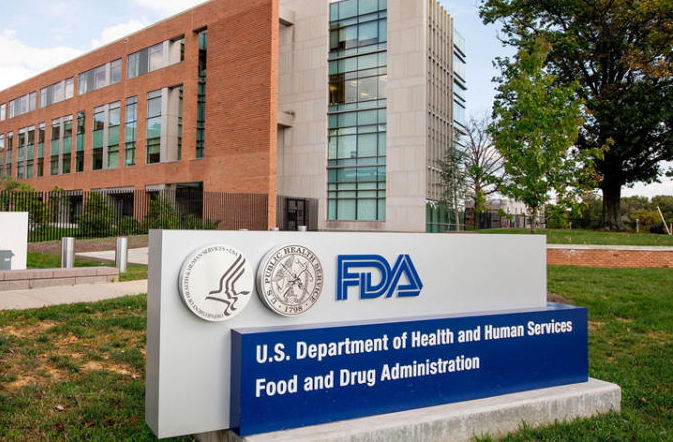
A few members of Congress have been told to expect the Food and Drug Administration’s safety review of the dangerous and deadly abortion pill mifepristone to be completed by September.
The review is assessing data on mifepristone to determine whether the drug is unsafe and could prompt updates to the FDA’s Risk Evaluation and Mitigation Strategy program to restore the requirement that the pill be dispensed in person at a clinic or physician’s office.
Such a decision to end mail-order abortions could save thousands of babies and protect thousands of women from dangerous medical complications or even death.
The FDA study moved into its official phase after data collection, as first reported by The Wall Street Journal on June 4.
REACH PRO-LIFE PEOPLE WORLDWIDE! Advertise with LifeNews to reach hundreds of thousands of pro-life readers every week. Contact us today.
White House spokeswoman Allison Schuster confirmed the administration’s commitment to the review: “The Trump Administration is pursuing a rigorous review of mifepristone in response to widespread safety concerns, adhering to the highest scientific standards. This Gold Standard Science-based safety review led by the FDA, which remains ongoing, is just one example of President Trump’s total commitment to thoroughly evaluating emerging drugs to ensure the health and safety of all Americans.”
In 2021 the Biden administration’s FDA removed the in-person dispensing requirement, allowing prescriptions through telehealth and shipment by mail. That has skyrocketed the number of babies killed in abortions as abortion pills are now easy to order and use by anyone.
Pro-life advocates have warned that this change reduced medical oversight and increased risks to women.
A study by the Ethics & Public Policy Center (EPPC), based on an examination of more than 865,000 insurance claims for mifepristone patients, found a serious adverse-event rate of approximately 11 percent — far higher than the FDA’s long-standing claim of less than 0.5 percent based on limited clinical trials.
The EPPC data, filed in an amicus brief in the ongoing lawsuit State of Louisiana v. FDA, showed the rate of serious complications rose from 10.15 percent to 11.5 percent after the FDA eliminated the in-person dispensing requirement.
“The rate of serious adverse events was significantly higher when the FDA’s in-person dispensing requirement was not in effect,” the EPPC brief stated. “Indeed, the data indicates that a serious adverse event was from 1.53 to 2.33 times as likely with remote dispensing as with in-person dispensing.”
The analysis also revealed that the incidence of ectopic pregnancies — a life-threatening condition the abortion pill does not treat — was three to six times higher when the in-person visit requirement was dropped.
Without an ultrasound or physical exam, women with ectopic pregnancies may mistake symptoms such as pain, cramping and bleeding for normal side effects of the abortion drug, potentially delaying emergency care. If such women take the abortion pill they could die.
Safety concerns prompting the review include multiple reports of women suffering severe complications and death after taking the abortion pills.
In one case, Amber Nicole Thurman obtained abortion pills in North Carolina for a twin pregnancy. Five days later in Georgia, retained remains of the unborn babies inside her caused a severe infection. She received antibiotics and IV fluids in the emergency room, but a planned procedure to remove the remains was delayed. She ultimately required a hysterectomy and died during surgery.
An expert committee later determined her death was preventable.
In another case, 24-year-old Alyona Dixon, a mother of a nine-month-old, received mifepristone from Planned Parenthood. Four days later she sought emergency care for sharp abdominal pain and bleeding.
An ultrasound indicated retained embryo parts, but she received no pelvic exam or OB-GYN consultation and was discharged. Her condition worsened the next day; she was transferred to another hospital and pronounced dead from complications of septic abortion.