Seven years after Washington rushed poorly tested drugs, shots, and devices into the fight against a new coronavirus — spending billions and killing and injuring millions in the process — it has finally discovered that the emergency is over.
Well … mostly.
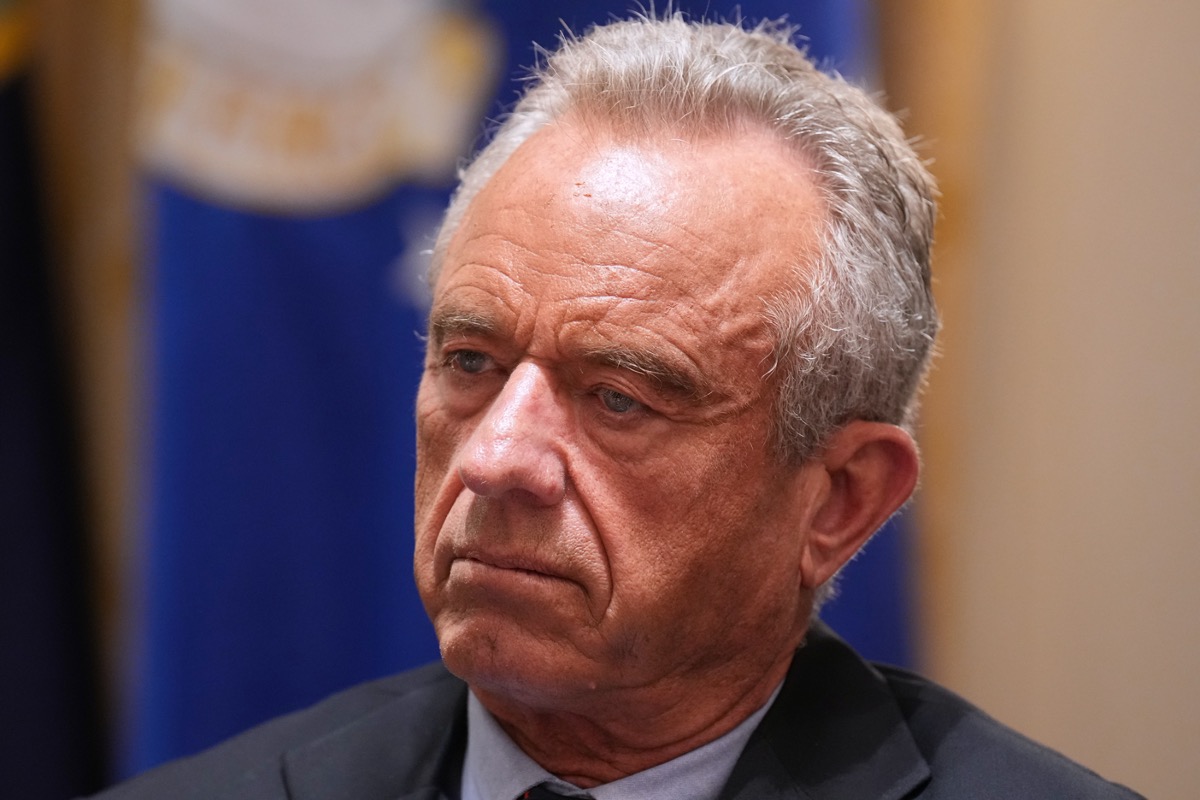
Health and Human Services (HHS) Secretary Robert F. Kennedy, Jr. has now moved to terminate the Covid-19 emergency use authorization (EUA) declarations for drugs, biological products, and medical devices.
But as long as the PREP Act shield remains in place, the move looks less like accountability and more like a marketing exercise dressed up as a ceremonial retirement of paperwork.
Terminating EUAs
HHS described the move as a return to normal order.
The agency said the circumstances that justified those emergency authorities for Covid products “no longer exist.”
It also said the Food and Drug Administration (FDA)-approved, cleared, and licensed products are now widely available through ordinary regulatory channels.
Kennedy stated:
By ending these COVID-19 emergency use authorization declarations, we’re reinforcing public confidence that emergency authorities are temporary and targeted.
That sounds like a clean break. It is not.
The termination does not take effect immediately. The declaration for drugs and biological products will terminate 12 months after Kennedy’s determination. The medical device declarations will terminate after 180 days. HHS said the delay will allow manufacturers, healthcare systems, distributors, and patients to move away from products authorized solely under Covid EUA declarations.
In other words, the emergency is over, but only after a courtesy period for the industries that built businesses around it.
The FDA, the agency within HHS responsible for reviewing and regulating drugs, vaccines, biological products, and medical devices, has long treated the Covid EUA structure as separate from the formal public health emergency. When the Covid public health emergency ended in May 2023, FDA said that step did not end existing EUAs. It also said the agency could continue issuing new EUAs if the legal criteria were met.
Kennedy’s action now starts the clock on that separate authority. To understand what that means, it helps to separate the headline from the legal machinery underneath it.
What HHS Actually Terminated
The key phrase is “EUA declarations.”
Kennedy did not simply revoke every Covid product authorization. He terminated the underlying emergency declarations that allowed FDA to issue and maintain EUAs for broad categories of Covid products.
Under federal law, HHS first makes an EUA declaration. FDA then uses that declaration to authorize specific products for emergency use. Those products can include unapproved drugs, biological products, devices, or unapproved uses of approved products. FDA describes EUA authority as a tool for making medical countermeasures available during “chemical, biological, radiological, and nuclear (CBRN) threats including infectious diseases.”
Once the HHS secretary terminates the declaration, EUAs based on that declaration generally cease to be in effect. FDA also loses the ability to issue new EUAs under that terminated declaration. The law, however, allows transition periods and certain continued use of products already distributed.
That is the actual legal effect.
It winds down the emergency authorization lane. But it has limits. It does not automatically punish anyone for using that lane. It neither creates liability for injuries nor compensates the injured. And it does not remove products that already moved into traditional approval, clearance, or licensure.
Which Covid Products Still Had EUAs
Perhaps the most consequential pandemic “emergency” products were the Covid vaccines. They were the centerpiece of the federal response and the basis of the mandates.
But by the time Kennedy signed the termination determinations, the vaccine EUA issue had already been handled separately. FDA revoked the Covid vaccine EUAs on August 27, 2025. Those included the EUAs for the Pfizer-BioNTech, Moderna, and Novavax Covid vaccines. So FDA-approved products now occupy the main vaccine market, including Pfizer’s Comirnaty, Moderna’s Spikevax and mNEXSPIKE, and Novavax’s Nuvaxovid, depending on age group and risk category. HHS recently spent roughly $1.55 billion on the new formulations of Pfizer’s and Moderna’s jabs.
FDA’s current list for drugs and non-vaccine biological products still includes several Covid products under EUA.
Pemgarda remains authorized for certain immunocompromised patients as pre-exposure prophylaxis. Gohibic, Kineret, Lagevrio, pediatric Paxlovid, and pediatric Olumiant also remain under EUA for specific high-risk or hospitalized patients.
The device category is broader. FDA still lists Covid EUAs for diagnostics, blood purification devices, renal replacement and hemodialysis devices, personal protective equipment, remote monitoring devices, respiratory assist devices, ventilators, and related accessories.
Testing remains one of the largest categories. FDA maintains separate EUA pages for molecular tests, antigen tests, serology and immune-response tests, genotyping tests, breath tests, and tests used to manage Covid patients.
Again, none of those products or tests will simply disappear from the market.
Some may. Others may move into traditional approval, clearance, or licensure. Some already have. Manufacturers now have a transition period to decide whether to seek ordinary regulatory status, change labeling, wind down distribution, or leave the market.
That is what Kennedy’s announcement actually does. It starts a regulatory countdown.
The Bigger Issue
The EUA system became the regulatory engine behind Operation Warp Speed (OWS), a taxpayer-funded program focused primarily on Covid vaccines. It cost taxpayers about $18 billion.
The program fused federal money, compressed timelines, advance-purchase contracts, liability protection, and emergency authorization into one pandemic machine. Washington paid companies to move fast. The EUA pathway gave those companies a way to put products into public use without the ordinary approval, clearance, or licensure process.
In practice, years of medical research and regulatory review were compressed into months.
The result was predictable: Injuries and deaths quickly followed.
But the EUA pathway was only part of the story. The deeper protection came from the Public Readiness and Emergency Preparedness (PREP) Act, which protects manufacturers, distributors, program planners, pharmacists, pharmacy technicians, and other covered persons from ordinary lawsuits over covered Covid countermeasures.
It remains in place.
In December 2024, then-outgoing HHS Secretary Xavier Becerra extended the Covid PREP Act declaration through December 31, 2029.
Kennedy has had the time and authority to rescind it. He has not. Yet in 2023, he described the PREP Act as a shield that allows pharmaceutical companies “to get away with mass murder.”
Therefore, the EUA paperwork may be winding down, and the move may be spun as a major MAHA victory. But with the PREP Act still in place, it remains a mere regulatory gesture, leaving the injured with few paths to sue and no clear sign that Washington intends to change that.
The episode is another reminder that the federal government has no constitutional authority to manage healthcare. As this magazine has long argued, that power must be returned to the states, local communities, and families currently forced to live with the consequences of harmful federal policies.


![Hegseth Demands Fitness Requirements, Says 'Fat Troops' 'Not Who We Are' [WATCH]](https://teamredvictory.com/wp-content/uploads/2025/09/Hegseth-Demands-Fitness-Requirements-Says-Fat-Troops-Not-Who-We-350x250.jpg)