U.S. Catholic bishops and allied Catholic medical organizations have urged the Labor Department to reject a proposed rule expanding insurance coverage for in vitro fertilization.
They are citing serious moral objections to the destruction of human embryos and the separation of procreation from marriage and family.
In public comments submitted to the department, the U.S. Conference of Catholic Bishops, along with the Catholic Medical Association, the National Catholic Bioethics Center and the National Association of Catholic Nurses, USA, called for excluding IVF from expanded “limited excepted benefits” coverage. The groups expressed support for fertility-related insurance that respects unborn human life and the natural process of procreation but strongly opposed including IVF.
Click Follow below to like the LifeNews Facebook page!
“Promoting IVF … stands in glaring contrast to this administration’s other pro-life statements and actions,” the bishops stated in their letter.
The proposed expansion builds on earlier Trump administration actions, including a 2025 executive order aimed at lowering costs and increasing access to IVF and fertility treatments through optional employer benefits. Pro-life leaders have criticized those efforts for failing to protect embryonic human life.
CatholicVote President Kelsey Reinhardt said she was “deeply disappointed by the White House’s decision to promote IVF, a practice that routinely destroys or discards embryonic children in the name of ‘treatment.’”
She added, “The longing for a child is holy, but a child can never be the product of a laboratory process that treats life as disposable.”
Reinhardt called for investment in medicine that heals rather than creates life only to discard it.
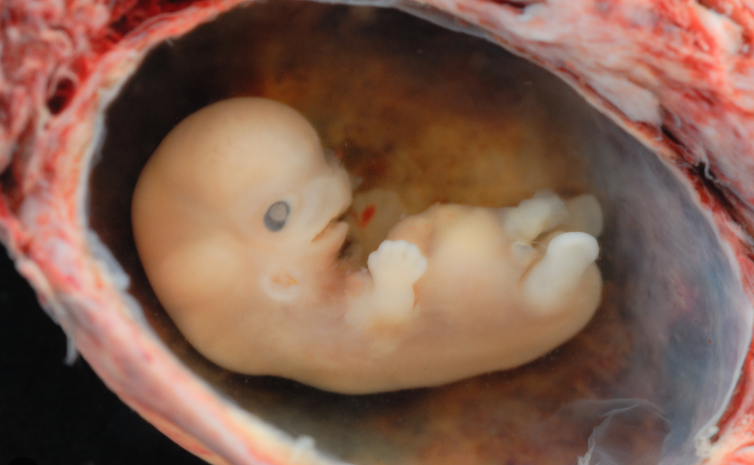
The bishops detailed how IVF typically creates multiple embryos, with most dying during the process. Surviving embryos may be destroyed, frozen indefinitely or subjected to genetic screening, which the letter described as a form of eugenics. The procedure also involves selective reduction, a fancy term for abortion in which extra implanted embryos are aborted when parents want fewer children.
The groups noted that IVF kills or freezes at least as many preborn children as abortion each year.
The Catholic Medical Association stated: “In the IVF process more babies die than are ever born. The babies that are eventually terminated, after lengthy periods of cold storage, do not voluntarily sacrifice their freedom, their potential, or their lives.”
Students for Life President Kristan Hawkins said IVF as practiced “still destroys countless humans in the embryonic stage” and called for real solutions that help families grow without killing life in the process.
If any fertility coverage is expanded, the Catholic groups recommended strong protections against embryo destruction, genetic screening and the creation of surplus embryos for non-implantation purposes. They also urged the Labor Department to highlight restorative reproductive medicine as a more ethical alternative.
Restorative reproductive medicine identifies and treats underlying health conditions causing infertility, such as hormonal imbalances or endometriosis, to restore the body’s natural reproductive function. It avoids laboratory creation and manipulation of embryos. Research shows success rates of 32.1 percent live births among women who had previously failed multiple IVF cycles and 61.5 percent overall for couples who struggled with infertility for an average of 5.6 years without prior IVF use.
Joy Stockbauer, a policy analyst for the Center for Human Dignity at Family Research Council, has noted that married couples facing infertility “deserve to know that there are alternatives to IVF that won’t wreck them spiritually, physically, or financially.”
The Catholic organizations described restorative reproductive medicine as more holistic and respectful of human dignity, urging clear communication about such options so employers can choose coverage that safeguards both life and the integrity of marriage.



![Hegseth Demands Fitness Requirements, Says 'Fat Troops' 'Not Who We Are' [WATCH]](https://teamredvictory.com/wp-content/uploads/2025/09/Hegseth-Demands-Fitness-Requirements-Says-Fat-Troops-Not-Who-We-350x250.jpg)