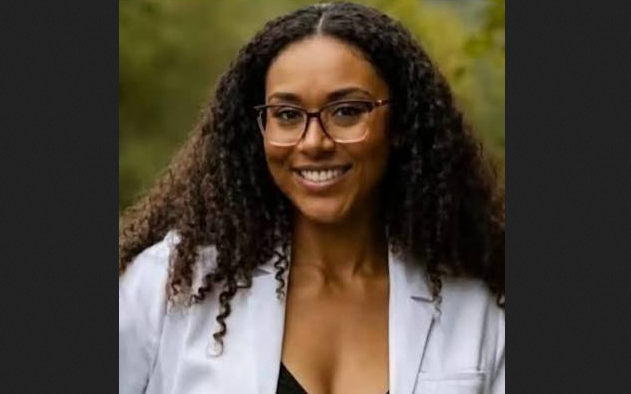
Yesterday, the American College of Pediatricians (ACPeds), together with the American Association of Pro-Life Obstetricians and Gynecologists (AAPLOG), filed an amicus brief with the U.S. Supreme Court in support of a gestational surrogate seeking a stay of a California court order that has excluded her from the life and ongoing medical care of the baby she carried and gave birth to.
Baby Gabriel was diagnosed before birth with hypoplastic left heart syndrome (HLHS), a serious congenital heart defect requiring staged surgeries and ongoing medical care. The dispute arose after his intended parents and gestational surrogate, identified in court filings as N.G., O.A., and M.W., disagreed about whether he should be aborted following the diagnosis. M.W. ultimately carried Baby Gabriel to birth and sought to ensure that he received treatment.
HELP LIFENEWS SAVE BABIES FROM ABORTION! Please help LifeNews.com with a donation!
ACPeds and AAPLOG argue that Baby Gabriel’s medical interests include preserving the presence of the woman who carried him during this vulnerable period. Medical literature demonstrates that babies become familiar with their mother’s voice in utero, and studies of premature infants have found that exposure to the mother’s voice can improve neurodevelopmental and feeding outcomes.
Dr. Jill Simons, Executive Director of ACPeds, released the following statement:
“For months before birth, Baby Gabriel knew the sound of his birth mother’s voice and experienced her presence. Medical research tells us that this relationship matters. For a medically fragile baby facing major heart surgeries and ongoing medical care, excluding the woman who carried and gave birth to him deprives him of a uniquely familiar and beneficial presence at precisely the time he is most vulnerable.
We are asking the Supreme Court to grant McKenna West’s application for a stay while the validity of the California judgment is reviewed. Without a stay, Baby Gabriel may lose irreplaceable time for bonding, caregiving, comfort, and medical support from the woman whose presence he has known since before birth. Baby Gabriel is a patient with his own dignity and medical interests, and his well-being must come first.”
The ACPeds and AAPLOG brief also emphasizes that advances in treatment have significantly improved outcomes for children born with HLHS. It cites research indicating that experienced centers report hospital survival rates greater than 90 percent following the first surgery in the series and that approximately 70 percent of babies born with HLHS today are expected to reach adulthood.
The case raises a broader concern about protecting medically vulnerable children in assisted-reproduction arrangements. Modern obstetrics increasingly recognizes the preborn child as a patient whose medical interests can be independently diagnosed and treated.