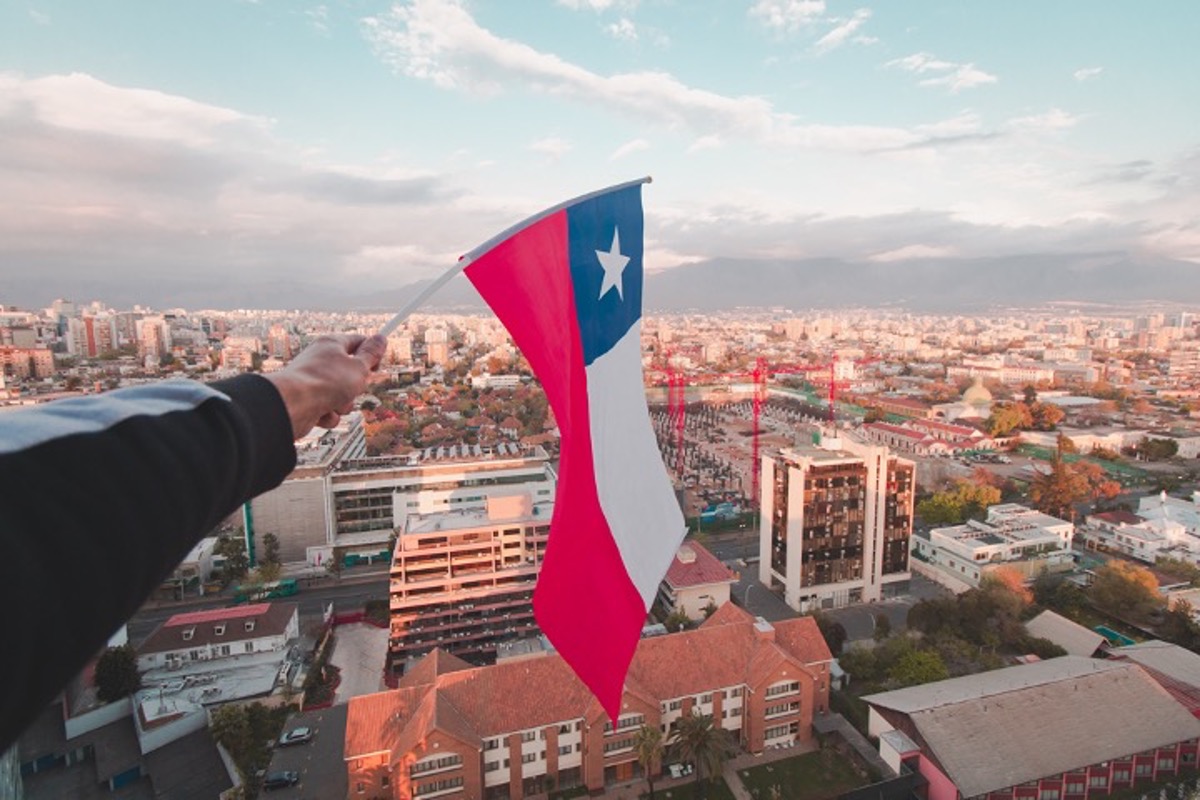
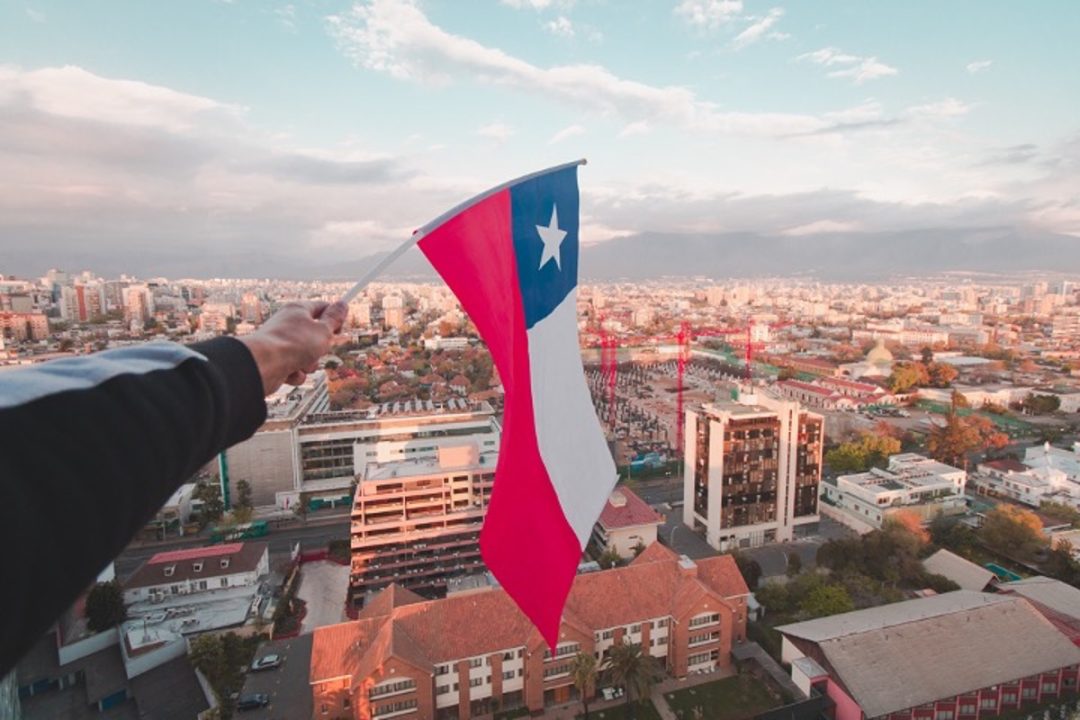
The third time proved the charm for Chile’s president-elect José Antonio Kast, the conservative politician and son of German immigrants who finally won the Chilean presidency on December 14 after two previous attempts. Kast’s victory is being hailed by the likes of Argentina’s president Javier Milei as the latest in a string of right-wing electoral victories across Latin America. After years of failed Marxist leadership, Chile has joined the growing number of Latin American countries with conservative, anti-socialist, nationalist, and pro-freedom governments, including El Salvador, Panama, Ecuador, Peru, Paraguay, Argentina, and, most recently, Bolivia. Of particular note are the spectacularly successful governments of Nayib Bukele in El Salvador and Javier Milei in Argentina, both of which have logged mind-boggling socioeconomic results in a relatively brief period, and are prompting the rest of Latin America to take notice.
Kast’s appeal in Chile is distinctly Bukele-esque; he carried every district in the country in a landslide victory driven by promises to oust illegal immigrants, crack down on crime, and erect a northern border wall to stop the flow of migrants from Peru.
Chile’s History
Chile, be it noted, is, like its neighbor Argentina, ethnically quite diverse, attracting many immigrants from countries other than Spain. Kast himself is part of a large Chilean-German community; his father served in the German military during World War II and was a Nazi Party member. In 1950, his parents emigrated to Chile. Kast studied law and became involved in politics at a young age as a supporter of benevolent Chilean dictator Augusto Pinochet.
During the Pinochet era and for years thereafter, Chile was politically conservative and anti-communist, despite the unflagging efforts of prominent leftists such as writer Isabel Allende (daughter of ousted Marxist president Salvador Allende) to convince Chileans of the wickedness of Pinochet and the righteousness of Marxism. Chile’s economic policies were long influenced by Chicago School-style free-market thinking, resulting in decades of growth and economic stability — a stark contrast to the situation in her larger and more boisterous neighbor and sometime rival, Argentina.
But after years of economic stagnation, erosion of individual rights, and soaring crime, the staid Chilean electorate has had enough. While they remain soccer rivals, Chile and Argentina have now locked arms politically, leaving Uruguay as the only remaining country in the “southern cone” with a left-wing government. Kast and Milei are in fact good friends, and one suspects that this election betokens a new era of cooperation between these two great countries.
The Broader Trend
As for the broader trend, Colombia and Venezuela are the only other Spanish-speaking countries in South America with Marxist governments. Colombia’s elections next year are expected to return that traditionally anti-Communist country to Team Freedom, while the developing situation in Venezuela is fluid, to say the least.
The most problematic Spanish-speaking country is, ironically, both the largest and the closest — Mexico, which exhibits few signs of relinquishing its generational leftism anytime soon. Then there’s Brazil, which, in true Marxist style, has just jailed its main opposition, former President Jair Bolsonaro. Brazil, which was a monarchy (a self-styled “empire”) for many years after independence from Portugal, has a much-less robust tradition of freedom and individual liberty than the likes of Chile and Argentina, so it is difficult to predict whether the entrenched Marxist regime there will relinquish power even under an electoral mandate.
But the positive takeaway is that freedom is still trending strongly in Latin America, and Chile is a very important new player.
This article is part of The New American’s weekly online newsletter Insider Report, which is emailed to TNA subscribers each week. Click here to subscribe to The New American to receive the Insider Report and access exclusive content.