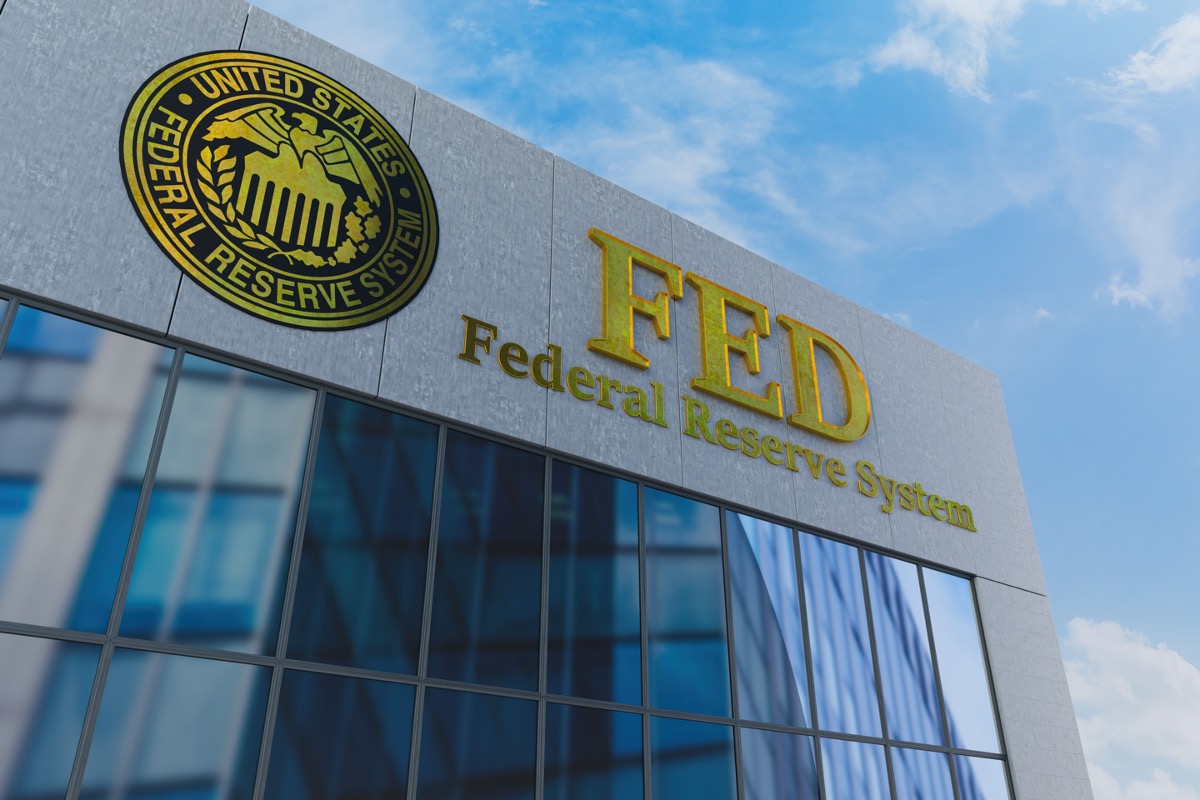
For the first time in history, a sitting Fed chair faces a DOJ criminal probe. On Friday, January 9, grand jury subpoenas from the Department of Justice landed on the desk of Federal Reserve Chairman Jerome Powell. The documents threaten criminal charges, not for market manipulation or insider trading, but for his congressional testimony on the Fed’s $2.5 billion headquarters renovation project. The probe, launched by the U.S. Attorney’s Office in Washington, D.C., centered on whether Powell’s statements to the Senate Banking Committee had been misleading about costs, timelines, or oversight.
Powell appeared unruffled in his Sunday evening statement two days later. “The threat of criminal charges is a consequence of the Federal Reserve setting interest rates based on our best assessment of what will serve the public,” he said, framing the investigation as an attack on the central bank’s independence. The subpoenas demanded documents, emails, and testimony related to the renovation — marble upgrades, security retrofits, and budget overruns that had ballooned amid supply-chain chaos.
Critics call it a pretext. Supporters say it’s payback for the Fed’s post-pandemic rate hikes that cooled inflation but squeezed borrowers. Behind closed doors, the story is more complicated.
Remodeling, or Monetary Policy?
The Trump administration has long chafed at the Fed’s seeming freedom from accountability (which it framed as “autonomy”). Powell, appointed by President Donald Trump during his first administration in 2017 and reappointed by Joe Biden in 2021, had resisted calls to keep rates low during the 2025 recovery. Now, with the DOJ under new leadership, the subpoenas look like a lever to pry open the black box of monetary policy.
David Malpass, a former World Bank president, weighed in on CNBC to say, “It’s worrisome. You know, the Fed has become now just a giant hedge fund. It’s lost a trillion dollars — and counting. It’s going to be a gigantic loss. What it does is borrow money at 5.4 percent from banks, and then dumps it into government bonds. So think what that does! That causes the government to think that it’s better off than it is. So that encouraged the government to be short when rates were zero.”
Was this about marble tiles, or was it a warning shot: the era of the Fed evading checks and balances drawing to a close? Republican lawmakers, usually positioning themselves as champions of the rule of law, issued guarded statements defending Fed independence. They raced to frame the situation as the president politicizing disagreements.
Long-term Consequences
Markets barely blinked — stocks dipped fractionally, bonds held steady — but the consequences could have long-term ripples. Foreign investors, who hold trillions of dollars in U.S. debt, might perceive political risk in the world’s safest asset if they go by the Fed’s spin on events. After all, if the executive branch could weaponize the DOJ against the central bank, what would that mean for the dollar’s global status? Politicized rates could mean wilder swings in mortgages, credit cards, and retirement accounts. But if the narrative of the Fed’s critics wins out (namely, that the Fed has been behaving in a reckless, deceptive way), then even more damage could be done if international investors understood the true depths of the Federal Reserve’s manipulative policies.
Ever the authoritarian, Powell remains defiant. “We will comply with lawful requests,” he said, “but we will not compromise the integrity of our decisions.” About his color palette? Hardly. The Federal Reserve, quietly ensconced in power since 1913 (having aggregated to itself prerogatives that had previously been given by the Constitution to Congress), deserves a full audit. Whether the current subpoenas are a first step in that direction remains to be seen.
This article is part of The New American’s weekly online newsletter Insider Report, which is emailed to TNA subscribers each week. Click here to subscribe to The New American to receive the Insider Report and access exclusive content.