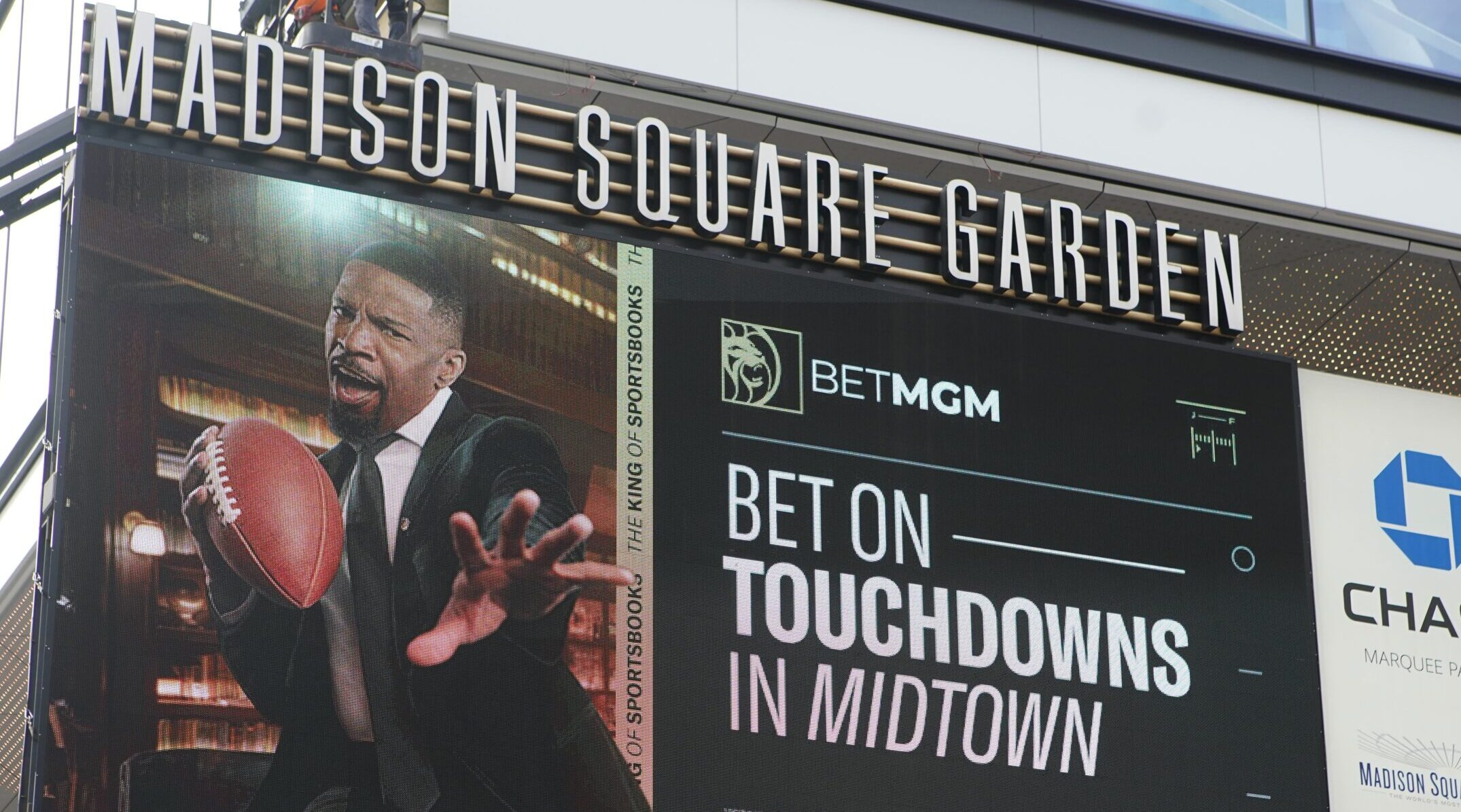
Less than one-third of Americans (29%) believe gambling is morally wrong, a Pew Research survey indicates, while a whopping 50% don’t feel gambling is a moral issue at all.
Meanwhile, Americans across the country are suffering cascading financial and social harms from highly addictive online sports betting and unregulated prediction markets.
Something isn’t connecting here, so let’s review a couple of basics.
The morality of any gambling activity depends on its consequences. When gambling creates or perpetuates addiction; financially, emotionally or socially harms others; contributes to poor stewardship; or takes advantage of the poor and vulnerable, it’s immoral.
The immoral, harmful consequences of gambling are almost exclusively associated with gambling against a “house,” a casino, sports book, lottery or other entity facilitating betting.
These businesses don’t just set the odds of every bet they offer — they also make money from their customers’ losses. That means the “house” has financial incentive to make sure consumers lose as much money betting as possible.
This incentive drives most of the predatory practices which cause gambling addiction. That’s why peer-to-peer gambling activities, like participating in a March Madness office pool or betting a couple of dollars on a round of golf, do not generate the same statistical harm as betting against a “house.”
Governments perpetuate immoral gambling by licensing gambling operations like DraftKings or FanDuel — effectively giving them permission to operate in exchange for a cut of the profits.
In these situations, the government has financial incentive to make the “house” more profitable, which almost inevitably leads to more favorable regulations and advertising opportunities for the gambling industry.
Some claim capturing a portion of legal gambling revenues reduces illegal gambling while benefitting taxpayers. In reality, when gambling is legalized, more people just start gambling — enough to keep the legal and illegal gambling markets bustling.
Meanwhile, taxpayers pay more to offset the social harms of state-promoted, addictive betting.
As Les Bernal, the national director of Stop Predatory Gambling, told the Daily Citizen in an exclusive interview:
Who do you think pays for all the social services for [those] whose lives have been ruined? Who do you think pays when [the gambler] steals from their employer and the company shuts down? Who pays for all the employees who lost their jobs?
As online sports betting becomes more popular, the people facing these consequences are getting younger.
Take the sports apparel brand Fanatics, which sells team merchandise at virtually every sports stadium in the country. Fanatics has an online sports book, which means as soon as a child buys his first baseball cap, he’s viewing advertisements to start betting on sports with Fanatics as soon as he turns 18.
“It’s a pipeline to addiction,” Bernal says, continuing:
What they’re doing is squeezing the sports around gambling. The marketing makes it appear that you’re no longer a sports fan unless you’re betting on something.
Eli Thompson, a college student at North Greenville University, made the same observation in an opinion piece for The Wall Street Journal.
“Today’s college sports culture makes betting feel like a rite of passage, and platforms like FanDuel, PrizePicks and BetMGM make it all too easy to pick up the habit,” he wrote.
Thompson describes several first-hand accounts of his friends, whom he calls “good kids,” getting caught in a trap they didn’t fully understand.
One friend bet $600 of a family member’s money before he got caught. Another secretly used his parents’ credit card to make up $50 he’d lost. Yet another sold his video game console and a pair of shoes to pay off a $500 sports betting debt.
“I don’t want to watch another friend sell his stuff or lie to his family,” Thompson concludes. “Because sports betting isn’t just harmless fun; it’s about guys my age risking their futures, one bet at a time.”
Thompson’s friends — and their families — have lived through the harmful effects of gambling against the “house.” Their experiences are not one-offs. These companies design their platforms to identify and prey on problem gamblers.
Online sports books use data analytics to analyze users’ behaviors and identify those which may be struggling with gambling addiction. In a lawsuit from last year, the city of Baltimore alleged FanDuel and DraftKings use this information to send targeted advertisements and promotions to problem gamblers.
“Access and robust user data, coupled with the [VIP] hosts’ and managers’ directive to keep these players betting as much as possible, creates an extremely potent mechanism to break down the defenses of individuals struggling with a gambling disorder,” the filing reads.
The gambling industry has created a system designed to perpetuate and profit from immoral gambling. But Americans can’t begin to abolish that system unless we first recognize gambling can, in fact, be an immoral activity — one which harms some of our most vulnerable citizens.
Additional Articles and Resources
Counseling Consultation & Referrals
Online Super Bowl Betting Mushrooms, Fueled by Prediction Markets
Kalshi, Prediction Markets Make It Easy for Kids to Gamble Online
The NBA and MLB Investigate Gambling Corruption While Taking Money from the Gambling Industry
Baltimore Sues FanDuel, DraftKings for Targeting Problem Gamblers
March Madness Sends Gambling Industry Profits Sky High
Online Sports Betting Hooking Young Men on Gambling, Research Suggests