The story of Noelia Castillo Ramos is one of the most heartbreaking and unsettling assisted suicide and organ donation cases in recent years, and it forces us to take a closer look at death as an answer to suffering.
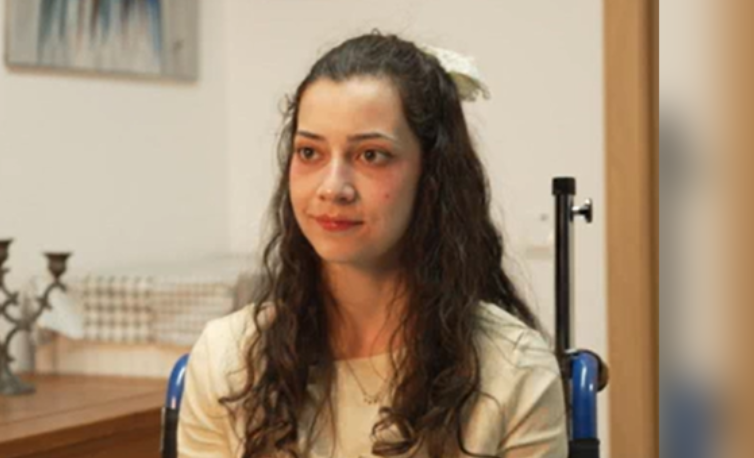
Noelia was only 25 years old. She had endured repeated sexual assaults, and the trauma from those experiences haunted her for years. She struggled with severe depression, had been admitted to psychiatric facilities more than once, and had previously attempted to take her own life. By her own words, she felt completely overwhelmed. In an interview on Antena 3, she described feeling empty, alone, and without purpose. She said she had no goals, no motivation, and no desire to keep going. Her world, as she put it, felt “very dark.”
Click here to sign up for pro-life news alerts from LifeNews.com
At the same time, she made something else very clear. Although she had impairment from a spinal injury, she was not bedridden. She was able to get up, shower, and take care of herself. This was not a case of someone in the final stages of a terminal illness. This was a young woman in deep emotional and psychological pain—pain that can be treated and healed with the right care and support.
God brings peace and healing to the brokenhearted. Even after unimaginable trauma, healing and a full life are still possible through Him. There are churches, nonprofits, and counseling centers ready to walk alongside people in these painful situations, offering the care, support, and hope they need. That way, women don’t have to numb the pain; they can live fully free.
“He heals the brokenhearted and binds up their wounds.” Psalm 147:3
In April 2024, Noelia requested euthanasia under Spanish law. Her request was approved, setting off a long legal battle led by her father, who strongly opposed the decision. He pleaded for more time, believing his daughter needed help, not death. With the support of the Christian Lawyers, he fought to stop the procedure and took the case as far as the European Court of Human Rights. For nearly two years, the family tried to intervene.
But on March 24, the court declined to stop the euthanasia. With that decision, the final barrier was removed. Within days, the process moved forward.
What happened next has left many people shaken. In a video shared online, Noelia’s best friend can be seen arriving in tears, begging for the chance to see her one last time. She pleads with staff, clearly desperate and heartbroken. She is turned away. There is no final goodbye, no moment of comfort—just a closed door in what would be the last hours of a young woman’s life.
Another detail makes the situation even more troubling. According to her attorney, Polonia Castellanos, the euthanasia was not delayed, even as the family continued to object, because Noelia’s organs had already been designated for donation.
This raises serious concerns about whether outside factors may have influenced the timing of her death. When a decision as final as this is connected to something else—especially something as sensitive as organ donation—it leaves many wondering if the system is truly focused on the person in front of them.
Noelia herself knew her family did not agree with her choice. She acknowledged that they would be left behind with pain, but said she wanted her own suffering to end. Her words reveal just how alone and hopeless she felt. But they also highlight the core issue in this case. She was not saying there was absolutely no help left. She was saying she felt there was no way out.
That is what makes this story so difficult to ignore. A 25-year-old woman, who was physically capable of living her daily life, who had a family fighting for her, and who had a history of mental health struggles, was ultimately approved for assisted suicide. Instead of being surrounded with more care, more time, and more support, her life was brought to an end.
This case raises a painful but necessary question. When someone is suffering deeply—especially from emotional and psychological wounds—should the answer be to end their life, or should it be to help them cope with that pain?
Noelia Castillo Ramos is gone, but her story remains. It leaves behind grief, unanswered questions, and a growing concern that in moments where people need compassion the most, states and countries are failing miserably.
LifeNews Note: Ashlynn Lemos is the communications intern for Texas Right to Life.