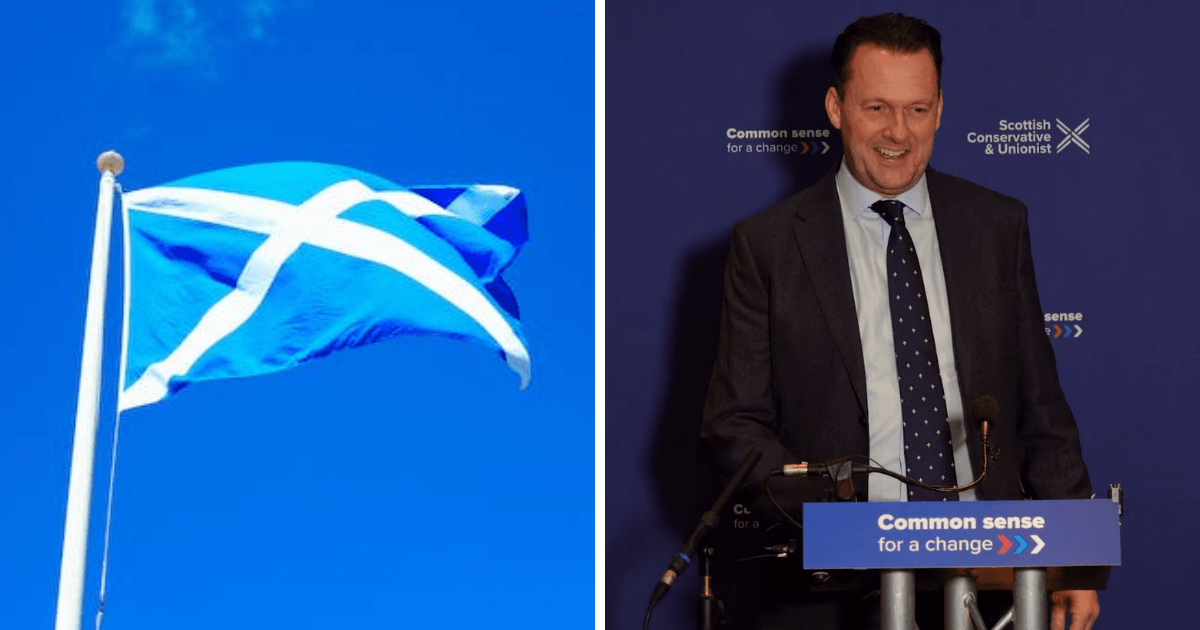
The Leader of the Scottish Conservative Party has dropped his support of the Scottish assisted suicide Bill, vowing that he will now vote against it as “the risks are too great”.
Russell Findlay MSP previously supported the Assisted Dying for Terminally Ill Adults (Scotland) Bill, which, as written, would legalise assisted suicide for adults resident in Scotland with no prognosis requirement specified; however, he now opposes the Bill due to numerous concerns with it.
This now means that the leaders of the three largest parties in Holyrood are opposed to the assisted suicide Bill.
Findlay is the third MSP who supported the Bill last year to now oppose it, meaning that if only four more MSPs change their minds and commit to voting against the Bill, it will fail.
Slippery slope “inevitable”, according to MSP who now opposes the Bill
Click Like if you are pro-life to like the LifeNews Facebook page!
Findlay said that he changed his mind about the Bill due to “numerous” concerns about the Bill that have not been addressed.
He stated that one of the key concerns he has with the Bill is “the real risk that people could be coerced into ending their own lives”.
“There are already cases in which unscrupulous relatives, or ‘trusted’ medical or legal professionals, exploit elderly people for financial gain”, he said, adding, “And even without any coercion from others, some elderly people may feel pressured to end their lives because they think they have become a ‘burden’ on loved ones”.
Findlay said that he was also concerned that it would be “inevitable” that the eligibility criteria for assisted suicide would expand following legal challenges.
“We have seen examples of this ‘slippery slope’ in other jurisdictions, and I would be deeply uncomfortable at being responsible for legislation that might end up mutating beyond its original remit to, for example, allowing someone with a mental health condition to compel the state to prematurely end their life”, he said.
He argued that any legislation of this kind, no matter how tightly defined the safeguards may be, “could be potentially widened by way of later court challenges”.
Findlay also said that one of the reasons that convinced him to oppose the Bill was the recent revelations that medical professionals in Scotland could be forced to participate in assisted suicide procedures. This comes after an amendment was introduced to remove all conscience protections for medical professionals who do not want to be involved in assisting in the suicide of their patients. In effect, this could force medical professionals to participate in assisted suicide procedures, lest they face the possibility of fines or a loss of employment.
Findlay concluded his statement by asserting that “the risks are too great for this bill to become law”.
Findlay’s change of stance comes in the same week as the Stage 3 debate on the assisted suicide Bill in Holyrood.
Alisdair Hungerford-Morgan, Chief Executive of Right To Life UK, said: “Findlay’s opposition to the Scottish assisted suicide Bill is a welcome development. It is encouraging that he has identified the clear risks the Bill poses to vulnerable people, and has decided to put their interests at the heart of his approach to this vote”.
“Only four more MSPs need to change their votes from supporting to opposing the Bill for this legislation to fail. We hope his decision, and the decisions of others who have already changed their position, will encourage other MSPs to look again at the serious concerns surrounding this Bill”.
“This Bill is a serious risk to some of the most vulnerable people in our society. We must look out for those who may be placed at risk, and ensure this deeply flawed, unsafe Bill does not become law”.
LifeNews Note: Republished with permission from Right to Life UK.