As an intellectual pharisee, I acknowledge that I’m smarter than everyone else (after all, I’m a philosopher!). Like Aristotle’s unchanging, eternal Prime Mover, the only suitable activity for me is contemplating my own excellence in my intellect.
But the world needs to hear my self-expressed opinions, so I sometimes step down from the heights to correct the errors of others (i.e., opinions different from my own). When the priests are wearing purple as they are now, I often repent that the world doesn’t receive the gift of my instruction more often (not for nothing did one of my Air Force Academy professors, decades ago, nickname me “Arrogance”).
With TCT’s strict word limit (which should apply to others, not me), I’ll only attempt to address two problems I came across this week.
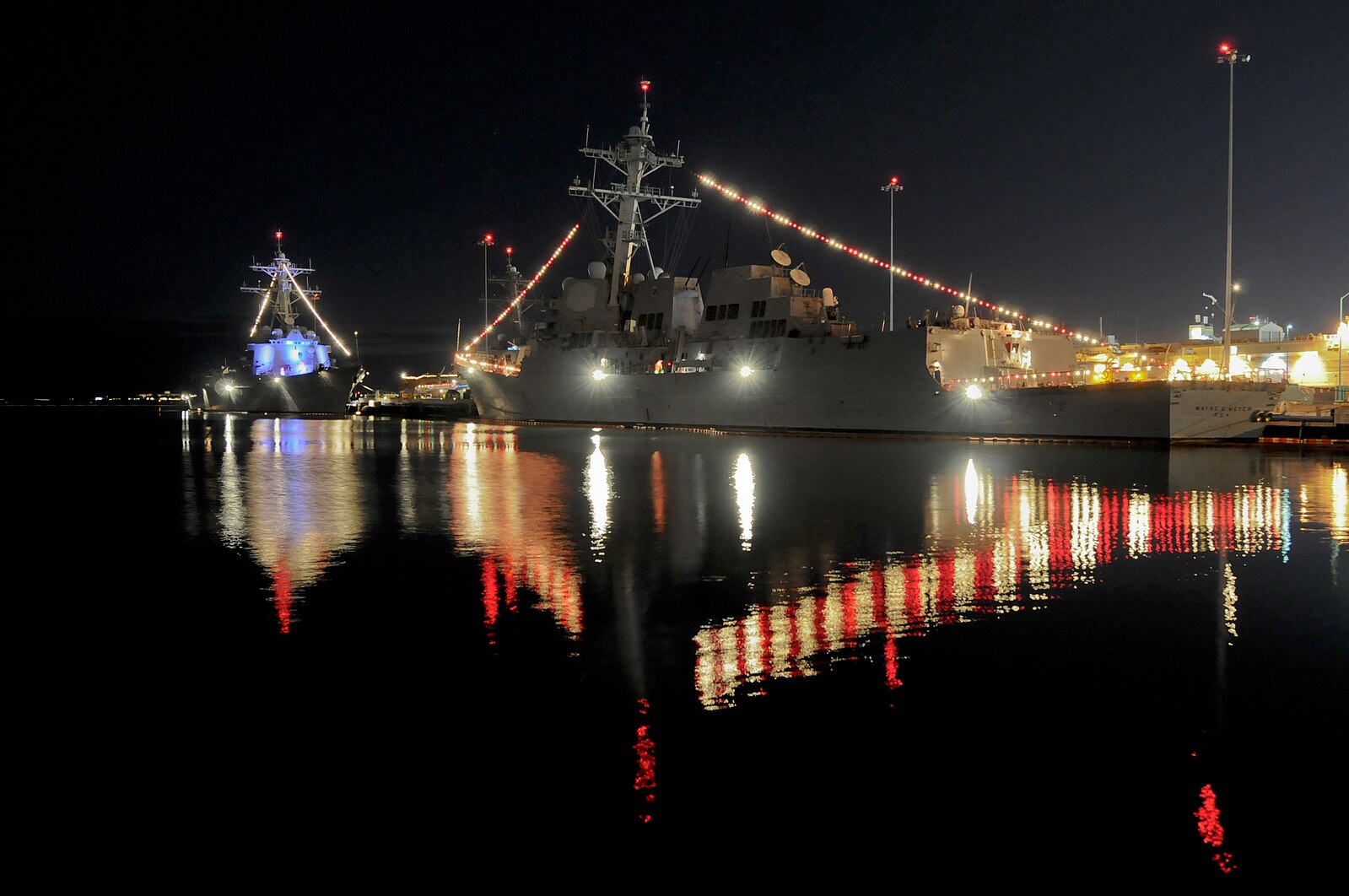
On December 3, Archbishop Timothy Broglio, shepherd of the Archdiocese for the Military Services USA, issued a “Statement on Caribbean Interceptions.” The statement responded both to the broad Trump Administration policy of using the military to interdict drug smuggling outside our territory and to the specific act of Secretary of Defense (nay, War) Hegseth or his commanders when they ordered an attack on a presumed drug boat, followed by a second attack that killed survivors of the first attack.
Both the policy and the act raise difficult moral questions. In recent decades, the United States has faced serious threats from “non-state actors” such as terrorist organizations. Such organizations operate with no regard for international or domestic law. As such, they present tough challenges to nations that seek to codify the reason of natural law into international agreements and domestic laws that govern how we conduct warfare.
In past cases such as the brutal American counter-insurgency campaign in the Philippines, counter-insurgency against the Viet Cong, or detention of terrorists outside the United States at Guantanamo Bay, America has struggled to abide by moral principles while doing what was deemed necessary to protect Americans and allies.
Even the question of which organizations should be designated “terrorist” (subject to American economic and military action) is fraught. Should drug lords be considered terrorists like those who struck on 9/11?
Archbishop Broglio’s statement mentions neither Christ nor Scripture nor Catholic sources. He seems to apply secular standards to a secular problem, though the secular standards he discusses – just war “theory” and due process – find their foundations in Western Catholic thinking.
Just war principles originated with St. Augustine and were developed by St. Thomas Aquinas and other later thinkers (the principles only became a “theory” when intellectual pharisees like me started in on them). They aim to guide both the resort to war and the conduct within war according to moral tenets such as war being the last resort to achieve the justice of peace, and proportionality.

Just war principles govern war between what are now called nation-states. “Due process,” on the other hand, is demanded in the Fifth and Fourteenth Amendments to the Constitution with regard to ensuring the legal rights of citizens and non-citizens accused of crimes within the U.S. It may also apply to U.S. courts or occupation authorities established outside this country.
Archbishop Broglio is hearing from both military members and their chaplains who are troubled by the current policy, as earlier generations of American Catholics faced moral concerns in the murky moral waters that combat stirs up.
So there is a need for the clearest possible guidance to help with difficult decisions of life and death in very unclear circumstances.
Unfortunately, Archbishop Broglio’s statement deepens the confusion. He acknowledges the scale of our country’s drug catastrophe, but then writes:
In the fight against drugs, the end never justifies the means, which must be moral, in accord with the principles of the just war theory, and always respectful of the dignity of each human person. No one can ever be ordered to commit an immoral act, and even those suspected of committing a crime are entitled to due process under the law. . . .We do not know if every sailor on a vessel presumed to be carrying illegal drugs knows the nature of the cargo.
The archbishop thus conflates just war principles, which aim to minimize the barbarity of an anarchic international world, with due process, which relies on legitimate domestic authority and courts to ensure rights and must themselves be checked by those rights.
If we look for broader principles behind the statement’s words, the only possible inference is that the U.S. military must somehow ensure not only adherence to just war principles as codified in the U.S. Law of War, but also guarantee due process rights, and even discern the state of awareness in each enemy combatant’s mind, before taking action.
I cannot believe that Archbishop Broglio intended to insist that American soldiers, sailors, and airmen read Miranda Rights to those they are fighting. But his statement conveys that message.
If we look for broader principles behind the letter’s words, the only possible inference is that the U.S. military must somehow ensure not only adherence to just war principles as codified in the U.S. Law of War, but also guarantee due process rights, and even discern the state of awareness in each enemy combatant’s mind, before taking action.
I cannot believe that Archbishop Broglio intended to insist that American soldiers, sailors, and airmen read Miranda Rights to those they are fighting. But his letter conveys that message.
This will not help Catholics carry out their military responsibilities morally and faithfully. I hope the Archbishop will clarify his guidance.
Closer to our home here at TCT, David Bonagura reminded us that the Incarnation of Christ was and is the turning point in history, a welcome message.
He puts the Incarnation at Christmas.
We might think of Christ’s Incarnation as the whole of his time dwelling among us. But if there is a specific instant of the Incarnation, it has to be the Annunciation.
Christ was fully human. That full human nature demanded that, bodily, He be conceived in a woman and grow within for nine months. This is perhaps why Cardinal Ratzinger writes that at the Annunciation, with Mary’s yes, “Logos and flesh really become one.”
Then at Christmas, we celebrate His appearance to the world, represented by the shepherds, its humblest citizens.
And in more worldly concerns, abortion advocates should not be given reason to claim that even we Catholics think our strange God-man became human only at birth.
With thanks and apologies to Archbishop Broglio and David Bonagura – and back to Advent.