Senate passes permitting overhaul that would limit environmental lawsuits
The Senate voted 62-33 for a bipartisan bill shortening the window to sue over federal environmental reviews, sending it to the House for a final vote.

The full story
Here is the full story. The Senate on Thursday night passed the Bipartisan American Affordability and Jobs Act of 2026, a broad overhaul of federal permitting, by a vote of 62-33. The measure now heads to the House for a final vote before it can reach President Donald Trump.
At its core, the bill makes it harder to tie up construction projects in court. It limits legal challenges brought under the National Environmental Policy Act, the Clean Water Act, the National Historic Preservation Act and the Endangered Species Act, and it shrinks the window to sue over a federal environmental review from six years to 150 days. The Senate attached the text as a substitute to H.R. 2347, an unrelated bill the House had already passed, which means the House must now vote on the amended version. Fourteen Democrats and independent Maine Sen. Angus King joined 47 Republicans in support. Thirty-one Democrats voted no, as did Republican Sens. Josh Hawley of Missouri and Mike Rounds of South Dakota.
Emily Domenech, executive director of the Federal Permitting Improvement Steering Council, said on Breitbart News Saturday that she expects the House to pass the bill under a suspension of the rules, a fast-track route that requires a two-thirds majority and therefore Democratic votes. "I am confident that it will pass the House with a bipartisan vote," she said. She described lawsuits as the main obstacle to building in the United States and said the bill "shortens the window and frankly narrows the scope" of complaints against projects. She said it would help not just oil and gas but also renewable energy and transmission. Domenech also said her agency has already cut average review times on its project dashboard from about 1,500 days to 400 days under existing law, crediting standards in the 2023 Fiscal Responsibility Act. She said the package could still change before it reaches the president, and she blamed the left wing of the Democratic Party for the Senate's failure to adopt a bipartisan manager's amendment with tweaks both sides had agreed to.
That Nov. 7 rewrite is where some conservatives see trouble. The bill's permit certainty section is meant to stop agencies from revoking, pausing or materially changing a permit once a project with a non-federal sponsor has all its federal approvals, with a few exceptions. The amendment folded harm to "human health, the environment" into one exception, allowing an agency to act on new information to prevent "immediate, specific, urgent, substantial, and proximate harm or damage." It also added a separate exception for actions taken under any applicable law or regulation. Heritage Foundation senior research fellow Jason Hayes said a future administration could use that language against a natural gas pipeline by arguing it causes harm through climate change, pointing to the Keystone XL pipeline, whose permit former President Joe Biden revoked on his first day in office. Hayes wrote that the catch-all exception "greatly empowers a future administration to evade the very permit certainty Congress is trying to create," and said the fix is to remove the language. His colleague Sarah Wagoner called the health and environment wording "definitely a risk" but said it does not undercut the bill's other reforms.
Others read the clause differently. A spokesperson for Sen. Shelley Moore Capito, chair of the Senate Environment and Public Works Committee and one of four negotiators, said the word "immediate," added in the rewrite, means agencies could step in only to prevent immediate harm, and that pipelines pose no such threat. Travis Fisher of the Cato Institute said the language "strikes a balance" and that the executive branch would lose the ability to revoke permits for political reasons. Earthjustice, from the environmental side, called the health and environment wording "a positive addition" but argued that "immediate" makes the exception harder to use, and said the catch-all exception "promises extensive litigation." The bill requires any action under the health exception to be narrowly tailored, with written notice and evidence given to permit holders first. The offices of the other three negotiators, Sens. Sheldon Whitehouse, Martin Heinrich and Mike Lee, did not respond to requests for comment.
Supporters want the House to move fast. ClearPath Action CEO Jeremy Harrell called it a "carefully negotiated package" of long-sought reforms. Rep. Bruce Westerman, the outgoing chair of the House Natural Resources Committee, said before the vote that he did not expect time to change the bill before the current Congress ends. "If the Senate gets it done then I think that's what we'll have to pass in the House," he said.
Reported by
Get this email every day
Like getting the day's news with a smile? Sign up below and this email lands in your inbox every morning.
Other news / Full articles
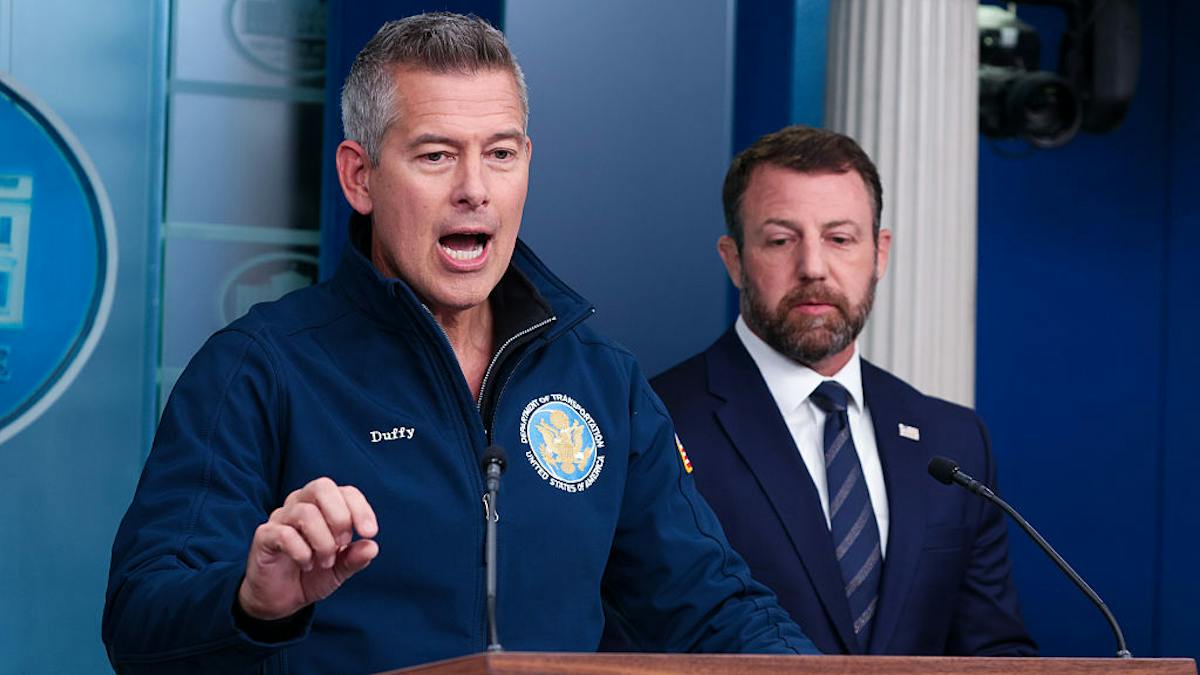 Officials clash over causes of nationwide tech outages as lawmakers raise cybersecurity alarm
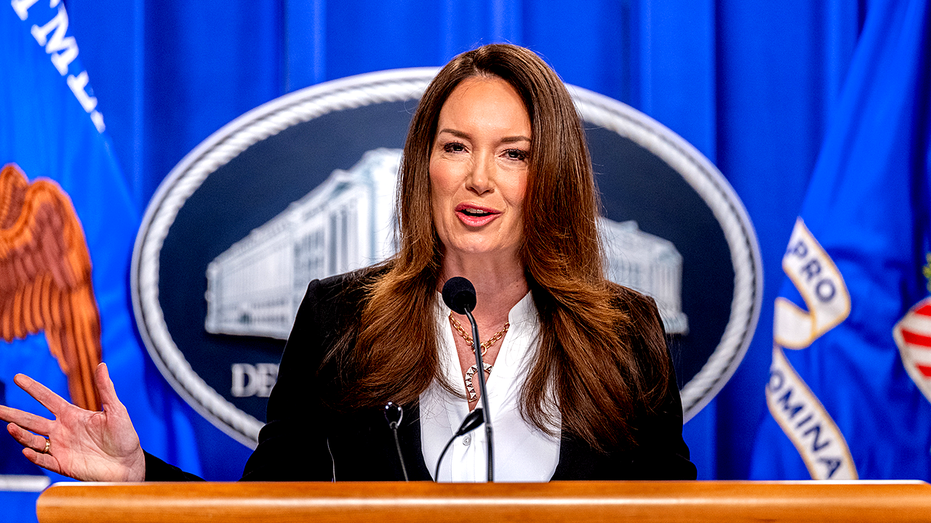 Federal judge bars Agriculture Secretary Rollins from sending religious holiday emails to staff
 FBI investigates reported hack of National Crime Information Center database
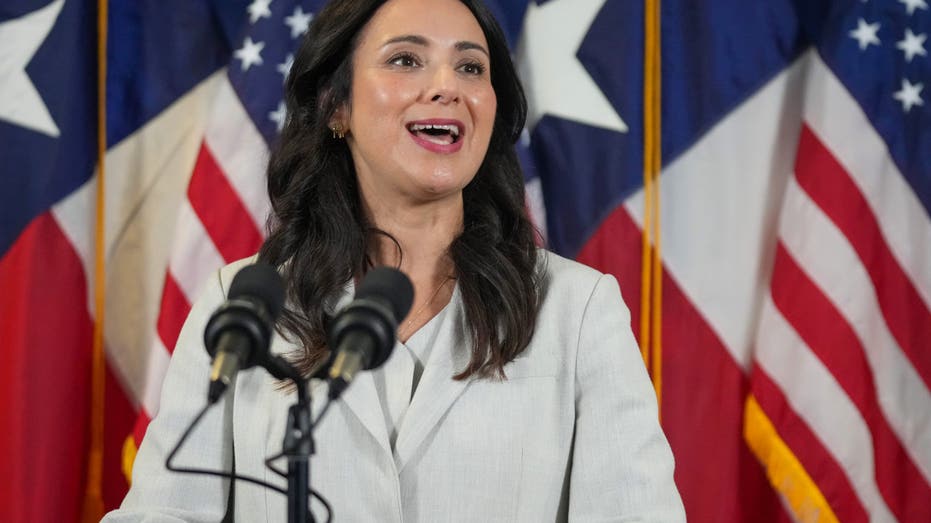 Texas Governor-elect Hinojosa vows to end Abbott's H-1B hiring freeze on day one
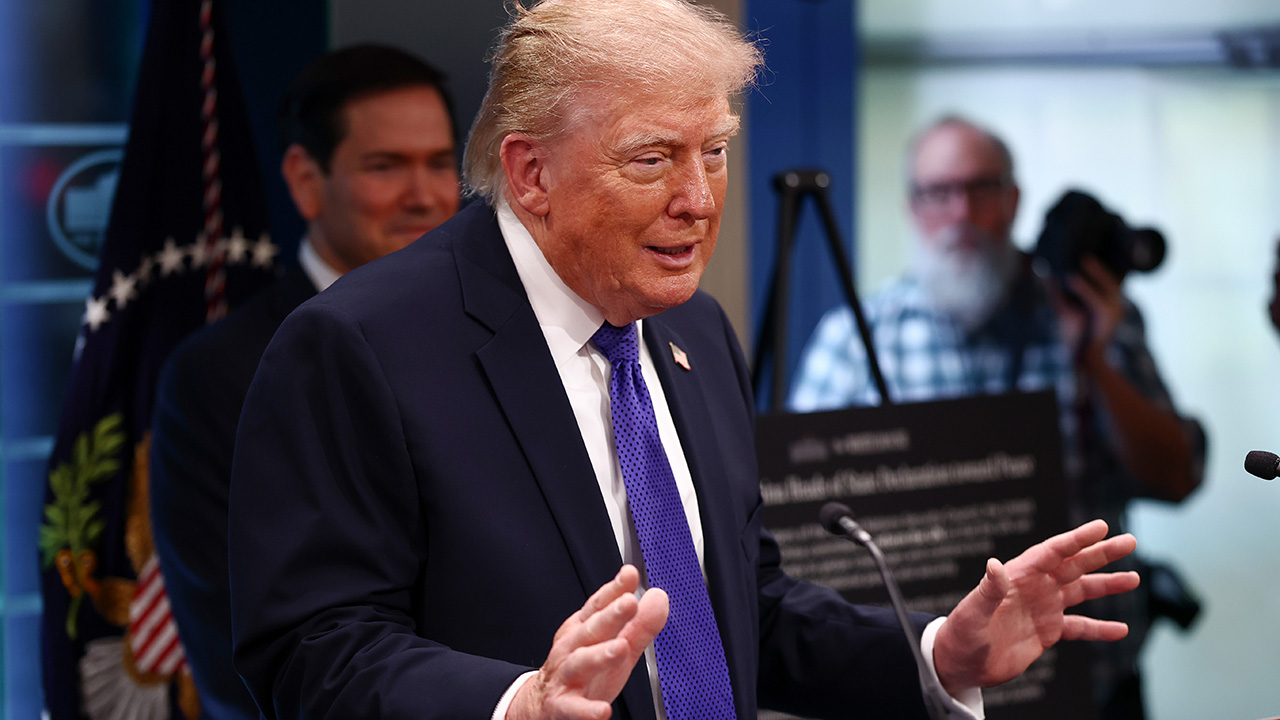 Trump, Xi and Putin sign joint declaration on oil, nuclear risk, the UN and the ICC
 Lawmakers raise cybersecurity alarm after 10-day wave of US tech outages