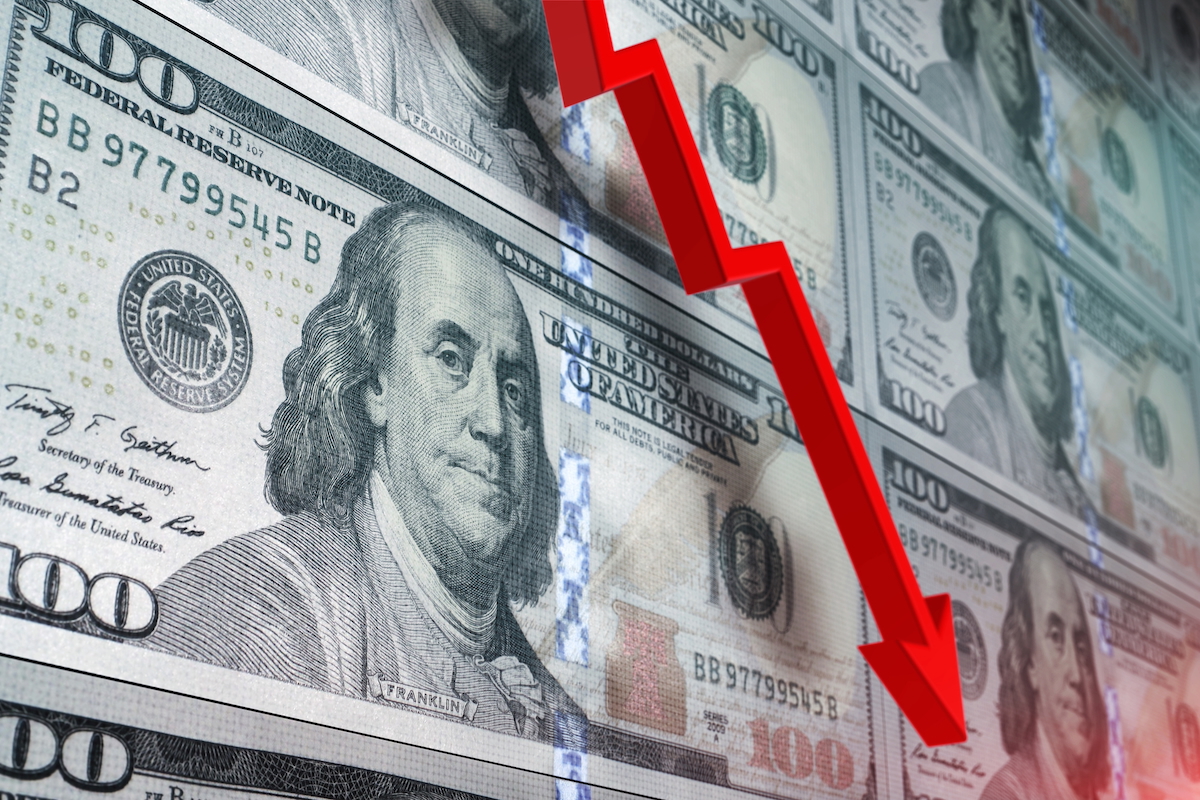
The U.S. dollar has lost nearly 30 percent of its purchasing power since 2020, a stark illustration of inflation’s impact on American households. According to analyses citing data from the Consumer Price Index (CPI), what cost $100 in early 2020 would cost roughly $130 for the same goods and services by mid-2026.
The CPI is a statistical tool compiled by the U.S. Bureau of Labor Statistics (BLS). It tracks changes in the price of a basket of consumer goods and services. It shows a cumulative price increase of 29 percent over the past six years, equating to an average annual inflation rate of roughly 4.3 percent.
Factors driving the erosion include massive fiscal and monetary responses to the Covid-19 pandemic, such as trillions of dollars in government stimulus and Federal Reserve bond buying. This boosted demand, while supply chains faltered.
Inflation Understatement
Some argue that the CPI understates inflation by underweighting essentials such as housing, groceries, and fuel for many families. Reporting for The New American in 2008, analyst Dr. John Fisher explained that “changes to the CPI … have increasingly distorted official statistics” to create a false sense of economic stability. This distortion is destructive because “the Treasury and the Federal Reserve use the CPI as one of the measures for establishing U.S. monetary policy.”
The first major adjustment to how the CPI is calculated occurred under President Richard Nixon, with introduction of the “core” CPI, which intentionally omits essential items such as food and energy, though they are essential and their cost increases are often most acute. Commentators described it at the time as calculation of “inflation after inflation has been excluded.”
The next series of changes came in the 1980s, and they collectively produced a reported inflation rate roughly six to eight percentage points lower than the previous methodology would show. This is according to economist John Williams, who describes the adjustments at ShadowStats.com.
The substitution effect assumes consumers swap expensive goods for cheaper alternatives when prices rise, effectively penalizing households for being priced out of their preferred purchases. Hedonic adjustments, which discount price increases by attributing them to quality improvements in products such as electronics and automobiles, further suppress the reported number. Owners’ Equivalent Rent replaced actual home purchase prices with a hypothetical estimate of what homeowners would charge themselves to rent their own homes, a figure that consistently understates real housing costs.
Bad Feelings
The cumulative effect of these adjustments, Williams argues, means that the dollar’s purchasing power loss since 2020 is closer to 50 percent when measured against the consistent pre-manipulation methodology. This is precisely why consumer sentiment surveys have persistently shown Americans feeling far worse about the economy than the official statistics suggest they should.
Even by the current CPI’s rosier numbers, the situation is gloomy. A family needing $50,000 annually in 2020 for the same lifestyle would require about $65,000 today. This environment has fueled interest in alternatives such as Bitcoin, gold, or real assets as inflation hedges.
Long-term, the dollar has lost more than 96 percent of its value since the Federal Reserve’s creation in 1913, highlighting fiat currency’s structural vulnerability.
This article is part of The New American’s weekly online newsletter Insider Report, which is emailed to TNA subscribers each week. Click here to subscribe to The New American to receive the Insider Report and access exclusive content.



![Hegseth Demands Fitness Requirements, Says 'Fat Troops' 'Not Who We Are' [WATCH]](https://teamredvictory.com/wp-content/uploads/2025/09/Hegseth-Demands-Fitness-Requirements-Says-Fat-Troops-Not-Who-We-350x250.jpg)