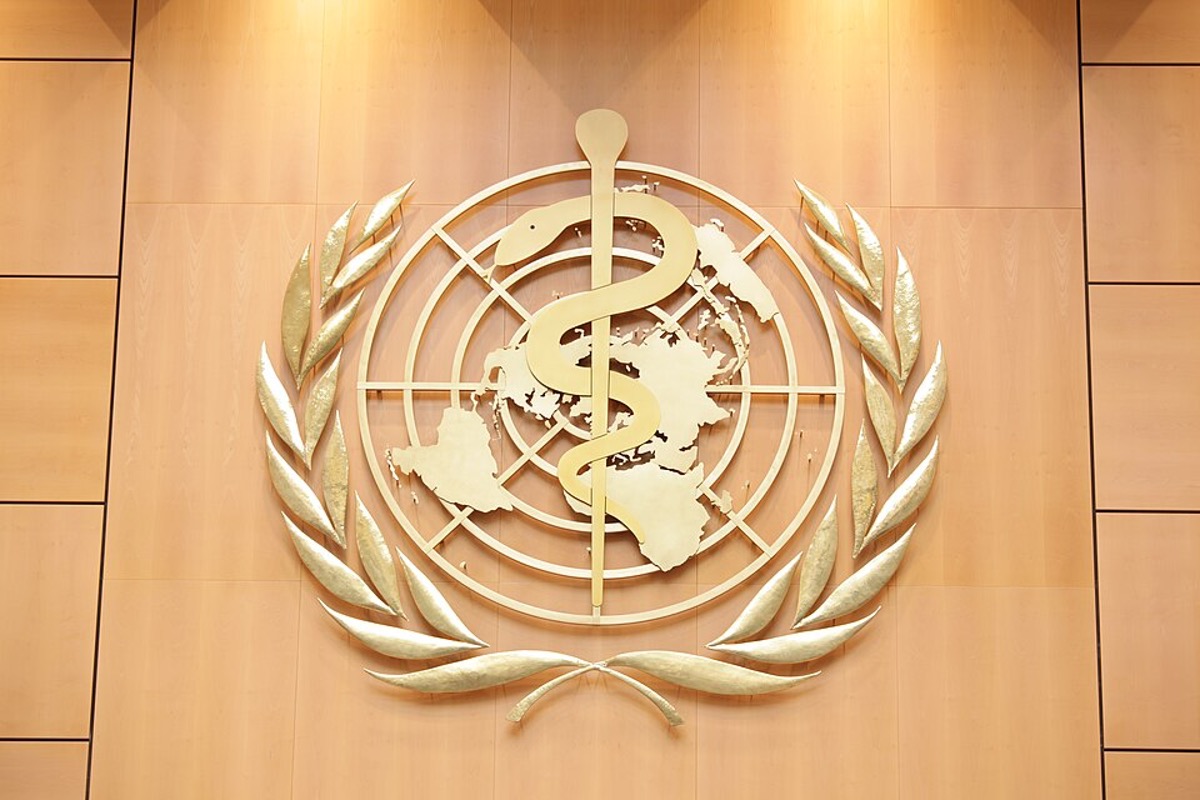
In January the United States formally completed its withdrawal from the World Health Organization (WHO). In a joint statement, Health and Human Services (HHS) Secretary Robert F. Kennedy, Jr. and Secretary of State Marco Rubio announced that the U.S. government had terminated all funding to the WHO and severed its membership, citing the agency’s mishandling of the Covid-19 pandemic, its refusal to implement meaningful reforms, and the deference it showed to the Chinese Communist Party’s claims about the supposed Wuhan outbreak.
Executive Action
The withdrawal is linked to an executive order President Donald Trump signed on his first day back in office, giving formal notice as required by the terms of the 1948 joint resolution under which the United States originally joined the WHO. With that one-year-notice period now expired, HHS says the exit is final: no more American funding and no more American health policy dictated by an organization unaccountable to the people. HHS has stated that the United States intends to continue engaging in global health efforts on a bilateral basis, outside WHO structures.
The White House also issued a January presidential memorandum directing U.S. withdrawal from 66 international organizations (35 non-UN bodies and 31 UN-affiliated entities), signaling a break from automatic participation in multilateral institutions.
Congress Must Act
But leaving the WHO does not guarantee a future administration won’t walk right back in; that’s the gap Congressman Tom Tiffany (R-Wis.) has spent three Congresses trying to close. His “No WHO Pandemic Preparedness Treaty Without Senate Approval Act” would deem any pandemic-related convention or agreement produced by the WHO’s International Negotiating Body a treaty under Article II, Section 2 of the Constitution, meaning it would require ratification by two-thirds of the Senate, not merely an executive signature or an HHS secretary’s signoff.
Tiffany’s bill has bipartisan traction. First introduced in 2023, it passed the House 219-199 in 2024, with four Democrats joining Republicans, only to stall in the then-Democrat-controlled Senate. Tiffany reintroduced it in 2025, noting that even though the Trump administration itself declined to sign the WHO’s pandemic agreement (adopted at the 78th World Health Assembly earlier that year), the prior administration had signaled it would have signed on. That, Tiffany argued, is exactly the scenario his bill is designed to prevent: a future president committing the country to a binding global health regime without ever bringing it to the Senate.
The Heritage Foundation has flagged a provision buried in the WHO’s pandemic agreement itself: a withdrawal clause requiring a two-year waiting period after the treaty takes effect before a member state can even begin the one-year-notice process to leave — a built-in mechanism, critics argue, that could make any future exit far more difficult than the one the United States completed.
This article is part of The New American’s weekly online newsletter Insider Report, which is emailed to TNA subscribers each week. Click here to subscribe to The New American to receive the Insider Report and access exclusive content.