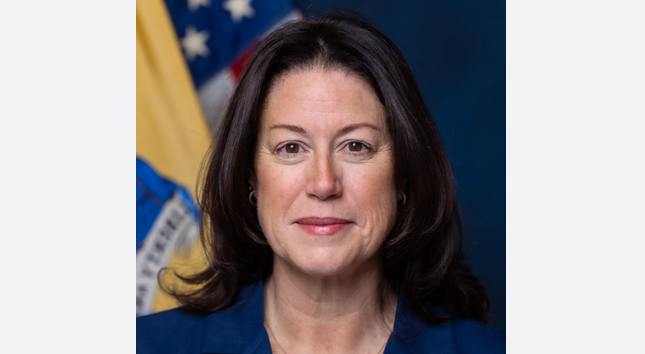
Just one day after the U.S. Supreme Court unanimously ruled for a pro-life pregnancy center, a Democrat attorney general is continuing the campaign of harassment.
The nation’s highest court ruled that a New Jersey pro-life pregnancy center has standing to challenge an expansive subpoena in federal court. But now the state attorney general moved to fast-track enforcement proceedings in state court.
The Supreme Court’s April 29 decision in First Choice Women’s Resource Centers v. Davenport reversed lower-court rulings and held that the state’s demand for the nonprofit’s donor identities and internal records burdens its associational rights under the First Amendment.
HELP LIFENEWS SAVE BABIES FROM ABORTION! Please help LifeNews.com with a donation!
Justice Neil Gorsuch wrote for the unanimous court: “An injury in fact arises when a defendant burdens a plaintiff’s constitutional rights, and government demands for a charity’s private donor information have just that effect.”
The opinion added that “an official demand for private donor information is enough to discourage reasonable individuals from associating with a group.”
First Choice Women’s Resource Centers, a faith-based nonprofit that has operated in New Jersey since 1985, provides free ultrasounds, parenting classes, baby clothes, food and counseling to pregnant women and their families as an alternative to abortion. The organization does not kill babies in abortions but, instead, helps pregnant women.
In November 2023, as part of the state’s post-Dobbs “Reproductive Rights Strike Force,” then-Attorney General Matthew J. Platkin issued a subpoena demanding 28 categories of documents with no underlying complaint or allegation of wrongdoing. The demands included donor names, addresses, phone numbers and places of employment.
The entire point was to shut down the center on intimidate supporters.
First Choice sued in federal court under 42 U.S.C. § 1983, arguing the subpoena violated its First Amendment rights. Lower courts had dismissed the case, saying the center lacked standing until a state judge enforced the subpoena. The Supreme Court disagreed and remanded the case for further proceedings in federal court.
On April 30, Attorney General Jennifer Davenport sent a letter to Superior Court Judge Lisa M. Adubato in Essex County asking the court to lift a stay and move quickly to enforce the subpoena. She argued that the Supreme Court had addressed only standing, not the merits.
Alliance Defending Freedom, which represents First Choice, responded sharply.
ADF Of Counsel Erin Hawley said: “New Jersey’s attorney general is doubling down on her predecessor’s hostile crusade to keep First Choice from vindicating its First Amendment rights in federal court. Just one day after the Supreme Court unanimously affirmed that her office’s donor demands burden the ministry’s First Amendment rights, Attorney General Davenport requested that the state court fast-track its enforcement proceedings to preempt the federal court’s review. That move disregards the Supreme Court’s ruling and underscores the stark reality of this case: For more than two years, New Jersey state officials have targeted First Choice simply because they dislike its pro-life views. But this week, the Supreme Court sent a clear message: First Choice is entitled to its day in federal court.”
First Choice Executive Director Aimee Huber said: “For more than two years, Attorney General Platkin targeted First Choice with aggressive demands for sensitive documents, including our donors’ identities. He has gone to great lengths to frustrate the important work we do—work that has made a tangible, life-saving difference for tens of thousands of New Jersey women and their children. As the Supreme Court recognized, the government can’t evade federal court review when it harasses those who support pro-life ministries just because it disagrees with their message and their mission.”
The subpoena remains unenforced. ADF attorneys said they will continue to press First Choice’s federal case while opposing the attorney general’s push to resolve the dispute in state court.