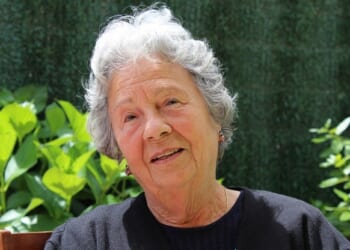
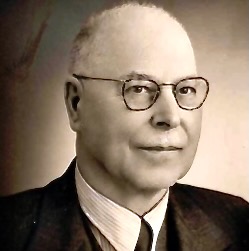
On Thursday, April 30, the Rhode Island House Judiciary Committee will hear H 7760, the “Lila Manfield Sapinsley Compassionate Care Act.” The title sounds merciful. The bill is not. It would legalize physician-assisted suicide in Rhode Island and give doctors legal protection for prescribing lethal drugs to patients judged to have six months or less to live.
Rhode Island residents should understand exactly what this bill does before lawmakers vote.
Doctors can be, and have been, wrong about a six-month prognosis. Patients often outlive predictions. A person with depression, fear, isolation, or family pressure may still sound “capable” in a brief medical encounter. The bill does not require routine psychiatric screening. It does not require a doctor or neutral witness to attend the death. It does not guarantee that the patient takes the drugs freely. It does not provide real protection against subtle pressure from relatives, heirs, insurers, or exhausted caregivers.
Click here to sign up for pro-life news alerts from LifeNews.com
The bill also changes how death is treated under the law. A death caused by lethal medication would not count as suicide, assisted suicide, mercy killing, or homicide. That creates a legal fiction. The patient dies because a doctor prescribed drugs for the purpose of causing death, yet the law tells Rhode Island to call it something else.
This is a serious threat to vulnerable people.
Assisted suicide laws place the elderly, disabled, poor, and seriously ill at risk. They send a cruel message: when care becomes difficult, death can become an option. When treatment costs rise, a lethal prescription costs less. When a patient feels like a burden, the law offers confirmation instead of protection.
Rhode Island should not walk this road.
Oregon, whose law serves as the model for H 7760, shows what happens after assisted suicide enters medical practice. The number of prescriptions and deaths has risen over time. Many patients who request lethal drugs cite loss of autonomy, loss of ability to enjoy activities, and loss of dignity. Those fears deserve care, support, pain relief, counseling, and companionship. They do not justify giving doctors the power to help end a patient’s life.
True compassion stays with the suffering person. It does not write a prescription for death. It expands hospice. It improves palliative care. It supports families. It protects disabled people from the idea that dependence destroys dignity. It tells every patient, “Your life still has value.”
H 7760 moves Rhode Island in the wrong and deadly direction. It turns medicine away from healing. It weakens protections for people who already feel afraid, alone, or burdensome. It opens the door to more pressure, more normalization, and more deaths.
Rhode Island residents need to act now.
Contact the House Judiciary Committee before Thursday’s hearing. Call your state representative. Email House leadership. Tell them to vote no on H 7760. Ask them to support real compassionate care: hospice, pain management, disability services, mental health care, and practical help for families.
Rhode Island must protect life! Lawmakers must reject H 7760.
LifeNews.com Note: Raimundo Rojas is the Outreach Director for the National Right to Life Committee. He is a former president of Florida Right to Life and has presented the pro-life message to millions in Spanish-language media outlets. He represents NRLC at the United Nations as an NGO. Rojas was born in Santiago de las Vegas, Havana, Cuba and he and his family escaped to the United States in 1968.